Sep 11, 2026Buying Guides
Instrument Startup Checklist: 5 Common Commissioning Mistakes to Avoid After Plant Shutdowns
Instrument Startup Checklist: 5 Common Commissioning Mistakes to Avoid After Plant Shutdowns
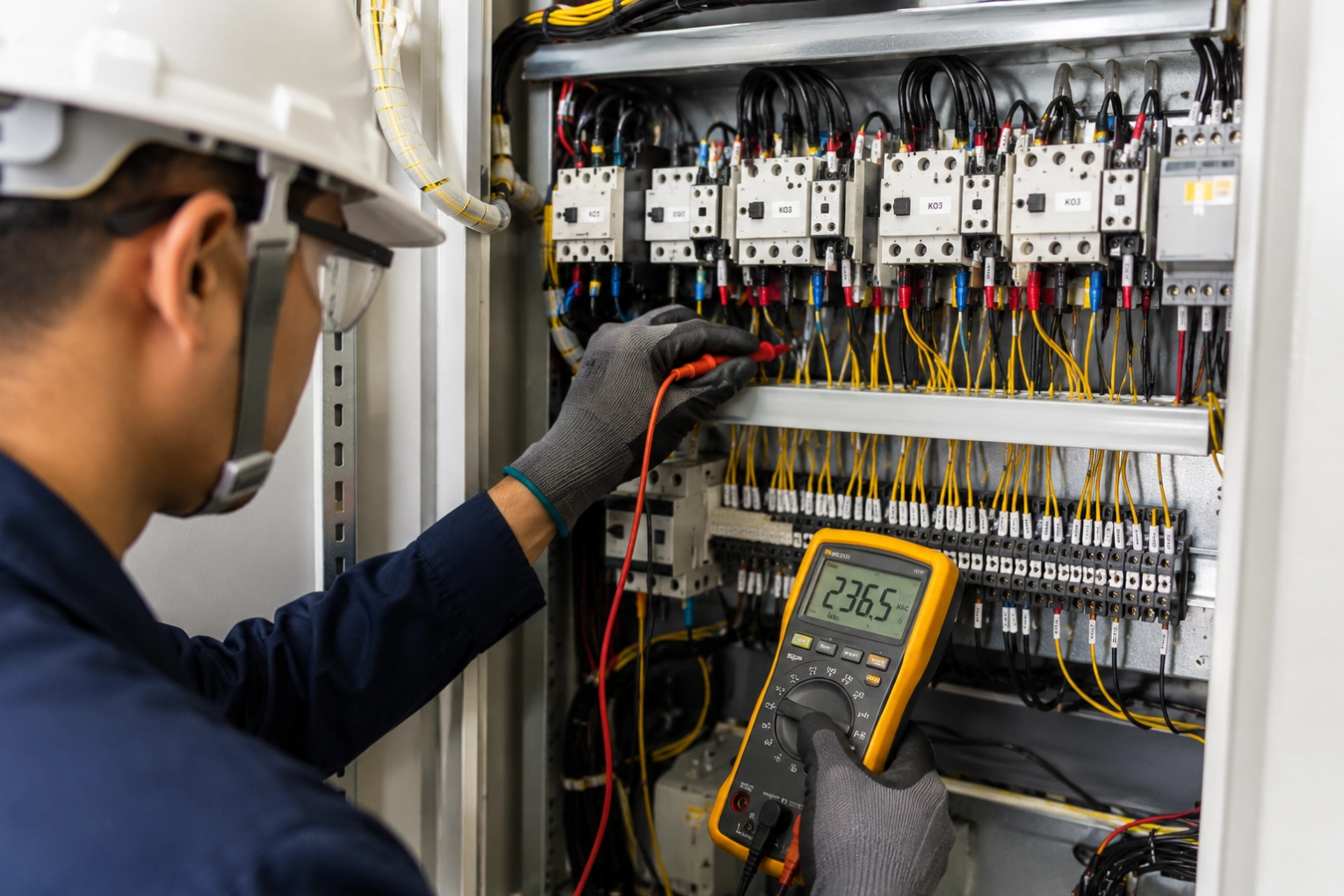
Instrument Startup Checklist: 5 Lessons Learned from Plant Shutdowns and Turnarounds
Plant startup and instrument commissioning after a maintenance shutdown can be challenging, especially in complex industrial facilities.
Without a structured instrumentation startup checklist, small issues can quickly develop into costly commissioning delays.
While plant startup often appears straightforward, many delays are not caused by major equipment failures. Instead, they result from overlooked details, incomplete documentation, or insufficient preparation.
Based on practical field experience, this article highlights five common mistakes instrumentation teams should avoid during plant startup and commissioning activities.
1. Don't Let Power Restoration Become the Bottleneck
A surprising number of startup delays are caused by something as simple as an unidentified breaker.
When instrument power cannot be restored quickly, commissioning activities stop immediately and production schedules begin to slip.
Power restoration is one of the most overlooked stages during plant startup and commissioning.
Many engineers assume that restoring instrument power is as simple as resetting a breaker or switching on a power supply. However, unexpected delays often occur when critical power sources cannot be quickly identified.
Common problems include:
• Unclear power distribution routes
• Missing or outdated breaker labels
• Incorrect dual-power switching configurations
• Unidentified fuse protection circuits
To reduce downtime, maintenance teams should maintain updated documentation for:
• Instrument power distribution panels
• Breaker locations
• Dual-power transfer systems
• Fuse protection details
Proper documentation can significantly shorten troubleshooting time and improve startup efficiency.
2. Instrument Tag Numbers Matter More Than You Think
During shutdowns and maintenance activities, instruments are frequently removed for inspection, calibration, or replacement.
One common startup issue occurs when instruments are reinstalled incorrectly or connected to the wrong signal loops.
A transmitter installed in the wrong location may not trigger an alarm immediately, but it can create hours of troubleshooting later.
To avoid commissioning delays, engineers should verify:
• Instrument tag numbers
• Cable identification labels
• Wiring diagrams
• Loop documentation
Accurate tagging and documentation reduce troubleshooting time and help ensure reliable startup performance.
3. Verify the Basics Before Commissioning
Many instrument failures reported during startup are eventually traced back to missing 24VDC power, wiring mistakes, or grounding problems.
Before commissioning, engineers should verify:
• 24VDC power supply output
• Wiring polarity
• Grounding integrity
• Terminal connections
These simple checks can prevent unnecessary troubleshooting and reduce startup delays.
A structured pre-commissioning checklist is one of the most effective ways to improve plant startup reliability.
4. Never Ignore Impulse Lines and Air Supply Systems
After maintenance activities, impulse lines and instrument air systems may contain:
• Rust
• Welding debris
• Moisture
• Dust
If these contaminants are not removed before startup, they may cause:
• Plugged impulse lines
• Control valve failures
• Unstable measurements
• False process readings
Flushing and blowdown procedures should always be completed before commissioning begins.
5. Functional Loop Checks Are Not Optional
A common mistake during startup is assuming that a functioning transmitter automatically means the entire control loop is working correctly.
A functioning transmitter does not guarantee a functioning control loop.
Before startup, engineers should verify:
• Transmitter outputs
• DCS inputs
• Controller responses
• Valve movement
• Interlock logic
End-to-end loop testing helps identify hidden issues before production begins.
Conclusion
Successful startups are rarely the result of emergency troubleshooting.
They are the result of planning, verification, and disciplined execution before startup begins.
By following a structured instrumentation startup checklist, maintenance teams can reduce commissioning delays, improve plant reliability, and minimize unplanned downtime.
Proper preparation not only saves time but also improves operational safety and long-term equipment performance.
In instrumentation, the best startup problem is the one that never happens.