
Buying Guides
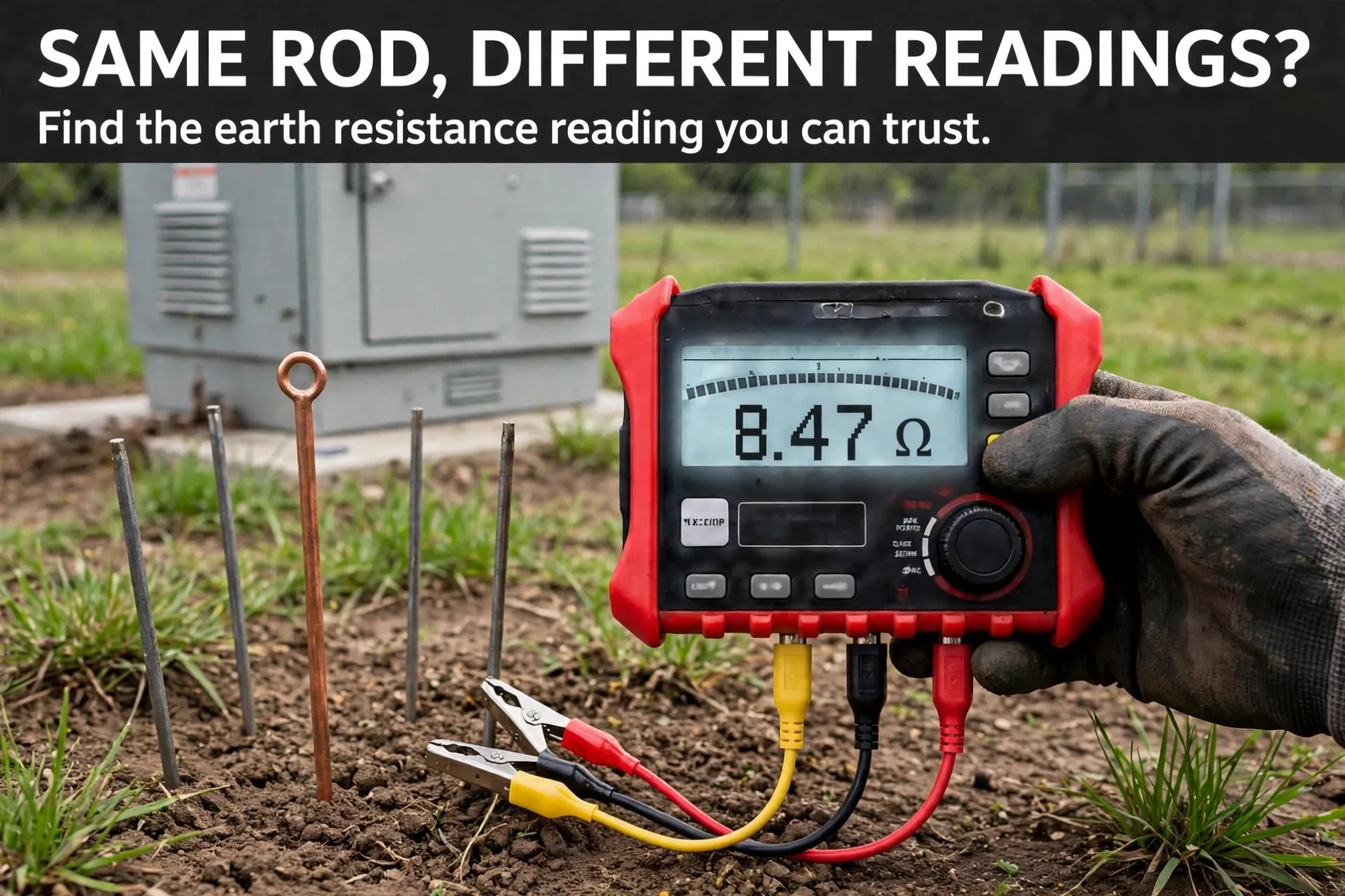
Why Earth Resistance Readings Change on the Same Ground Rod
Same ground rod, different earth resistance readings? Probe position, soil moisture, buried metal and stray voltage all shift the result. Here is how to check.
TEST & MEASUREMENT
Explore practical buying guides, product comparisons, application tips, and technical insights for test and measurement professionals.
Same ground rod, different earth resistance readings? Probe position, soil moisture, buried metal and stray voltage all shift the result. Here is how to check.
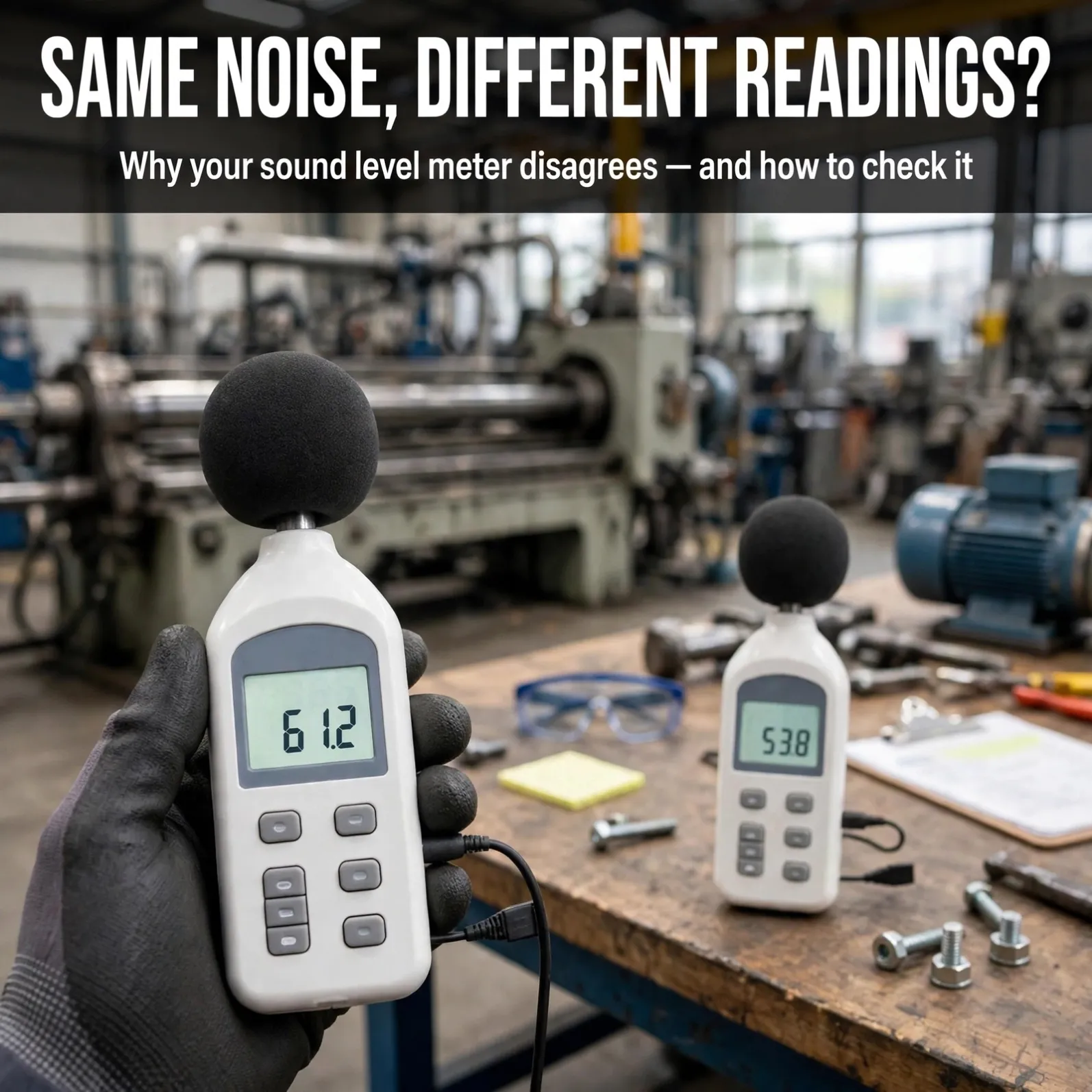
Same noise, different decibel readings? Weighting, Fast vs Slow, position and calibration explain most gaps. Five checks to run before trusting a number.
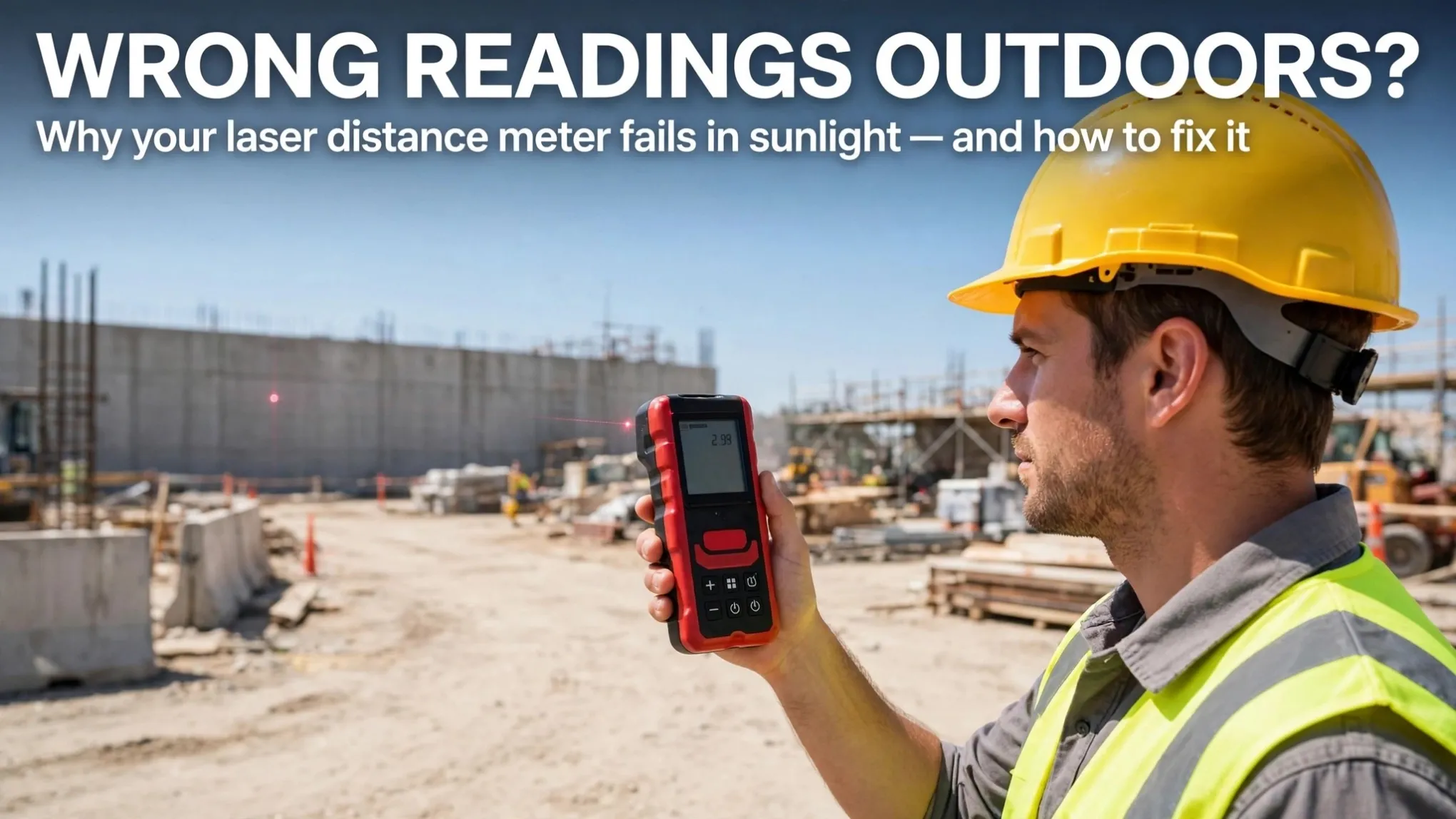
Laser distance meter reading wrong outdoors? Sunlight, dark targets and a wrong reference point are the usual causes. Check each one before replacing the meter.
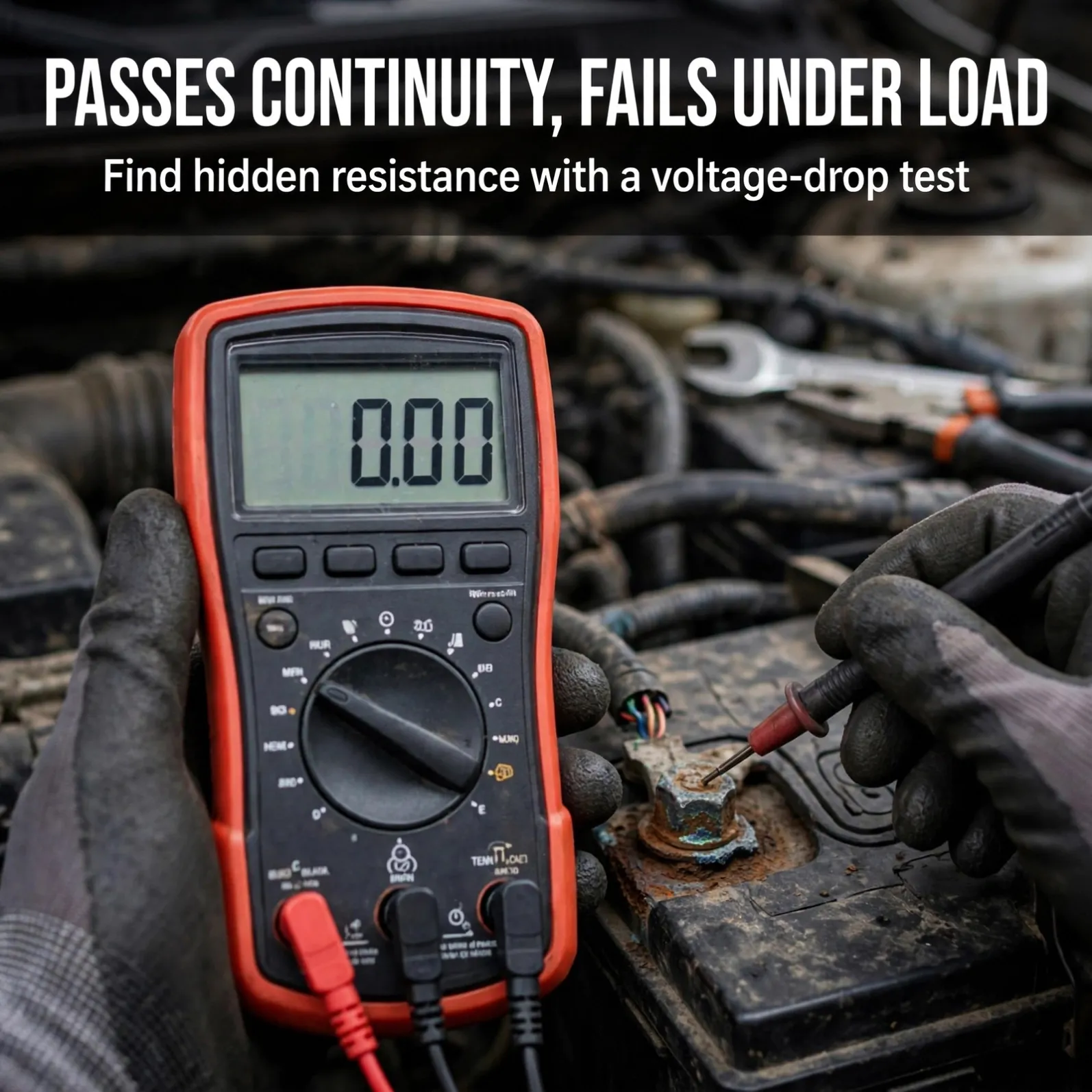
A wire can pass a continuity test and still fail under load. Learn why the beep misses high-resistance faults — and how a voltage-drop test finds them fast.
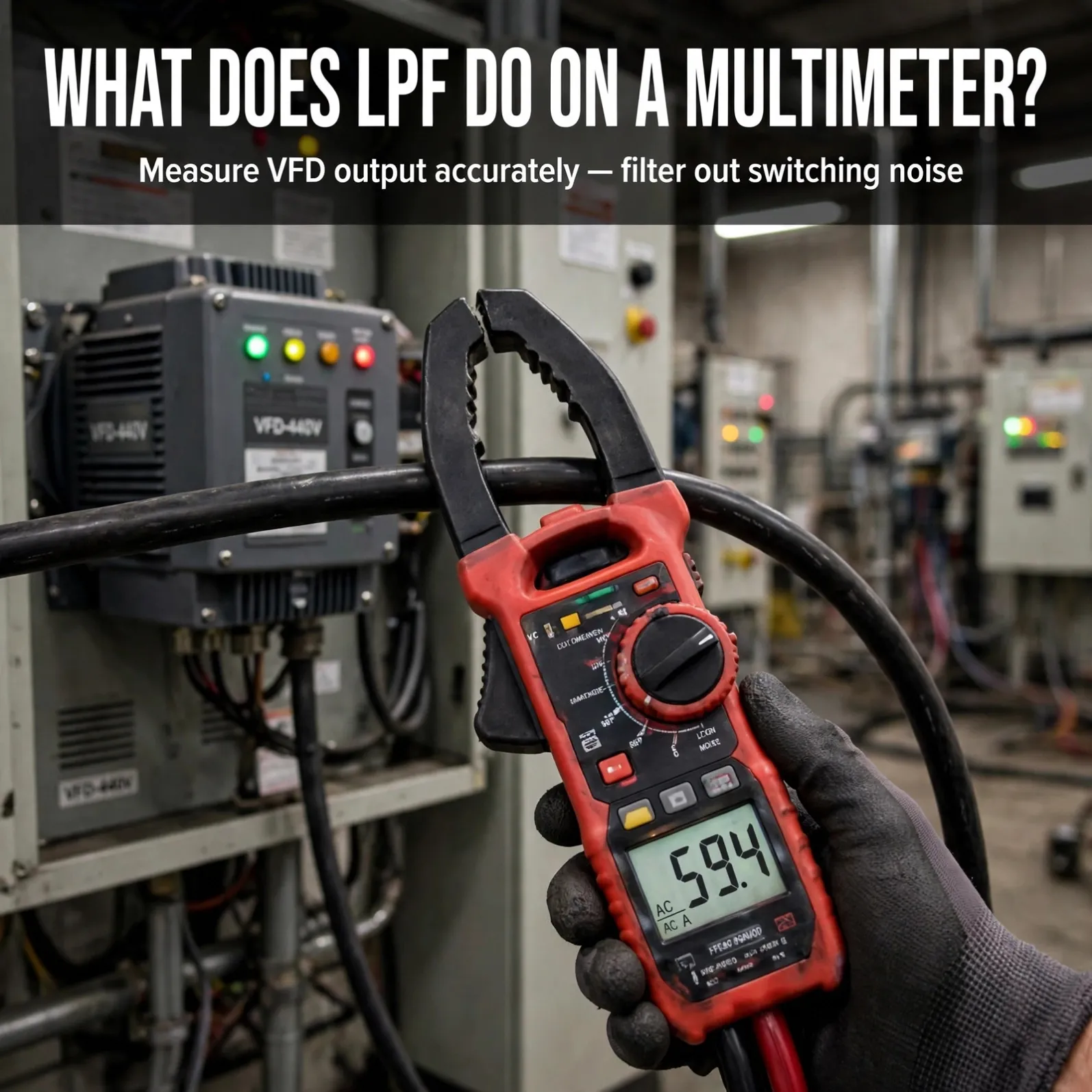
LPF on a multimeter filters out high-frequency noise so you can measure VFD output accurately. Learn what it does, when to use it, and what it cannot fix.
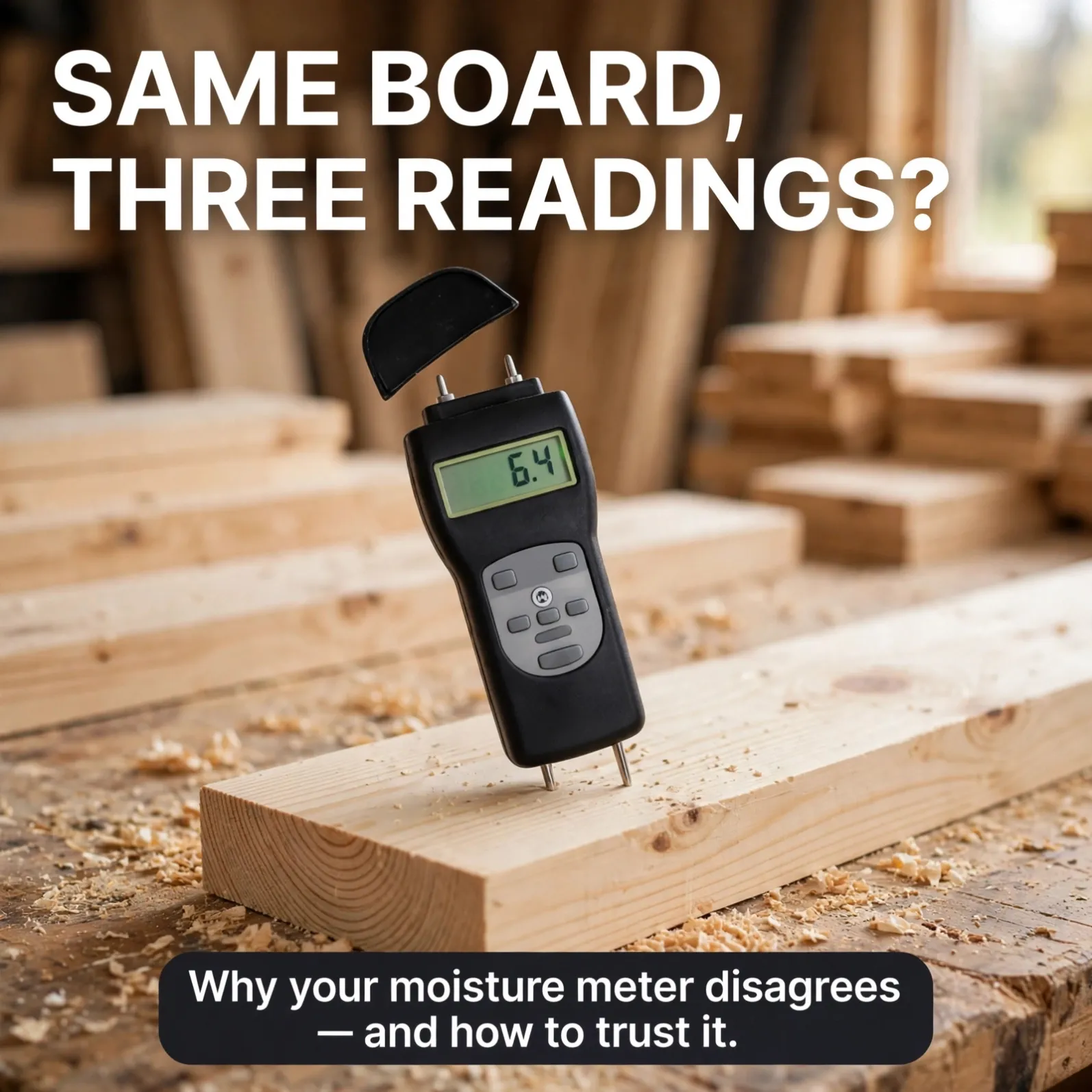
Same board, three different readings? Your moisture meter is probably fine. Learn why pin and pinless meters disagree, and how to get a reading you can trust.
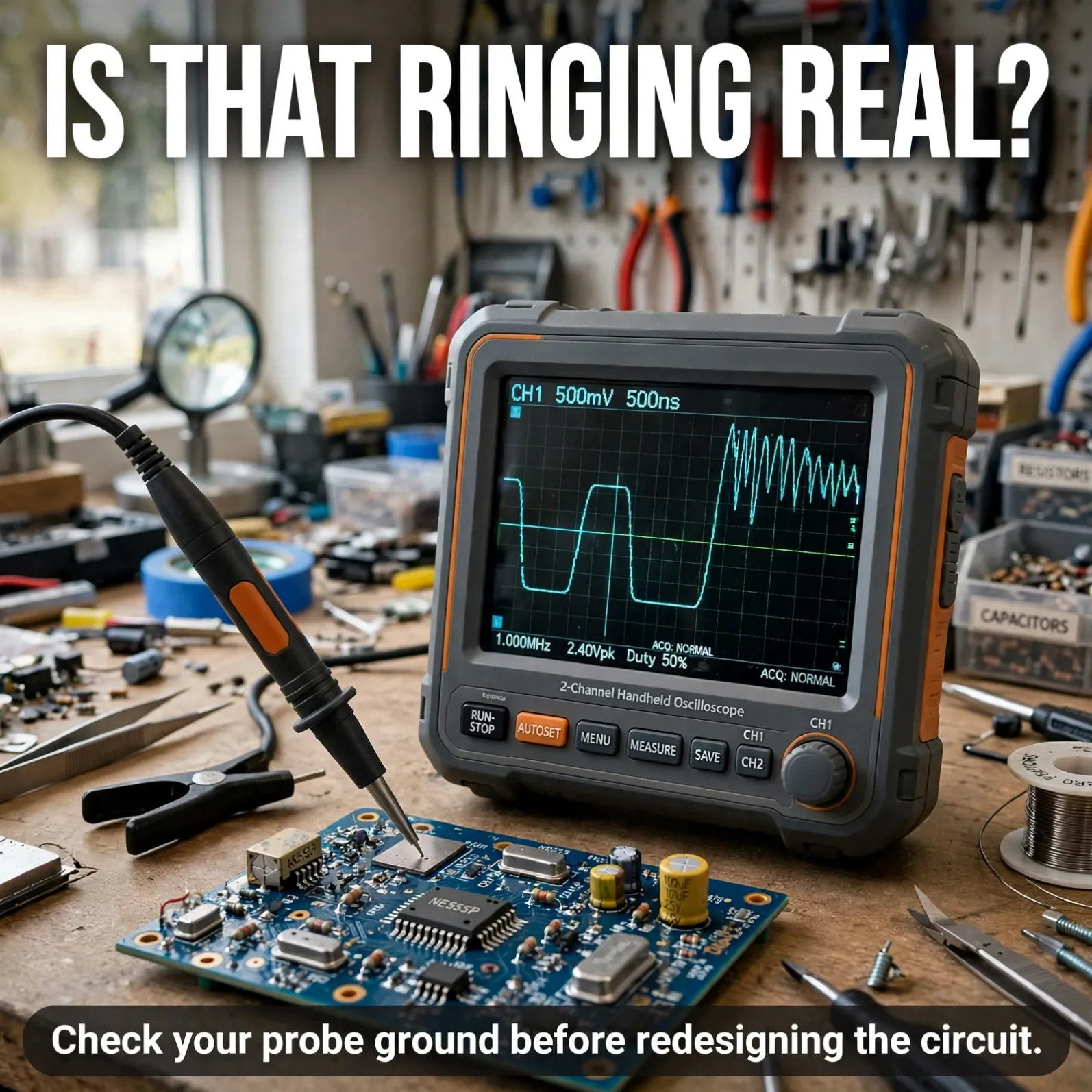
Oscilloscope ringing on square waves? Often the probe, not the circuit, is at fault. Learn how a long ground lead creates false ringing — and how to prove it.

New to car diagnostics? These five lessons help automotive students use a multimeter on a car safely — settings, leads, and the mistakes that blow fuses.
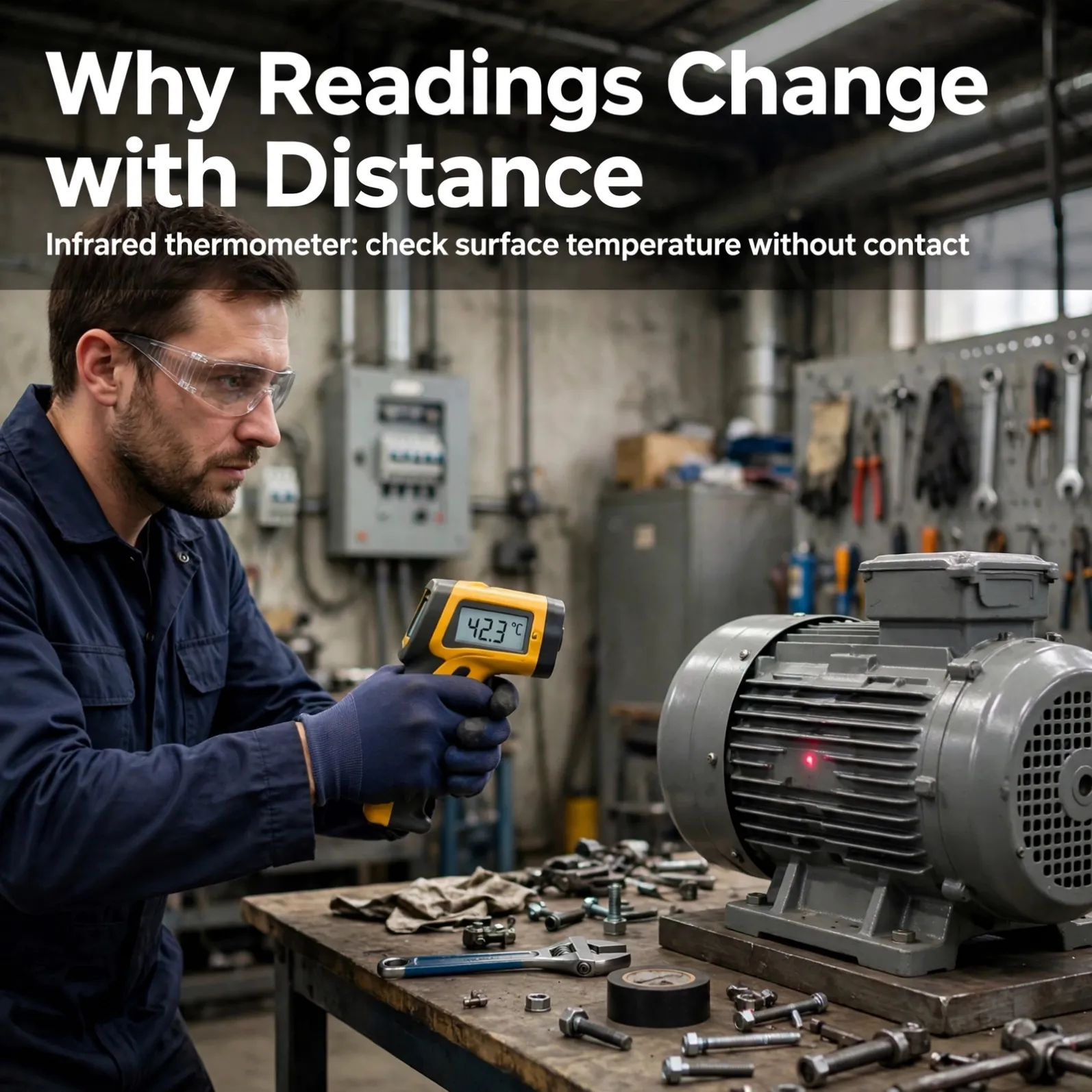
Your infrared thermometer reads 42°C up close and 31°C from two metres away. The distance-to-spot ratio is usually why — here is how to check it and fix it.

Battery tester says good, but the car still won't start? See why conductance tests can pass a weak battery — and the simple checks that find the real fault.