
Buying Guides
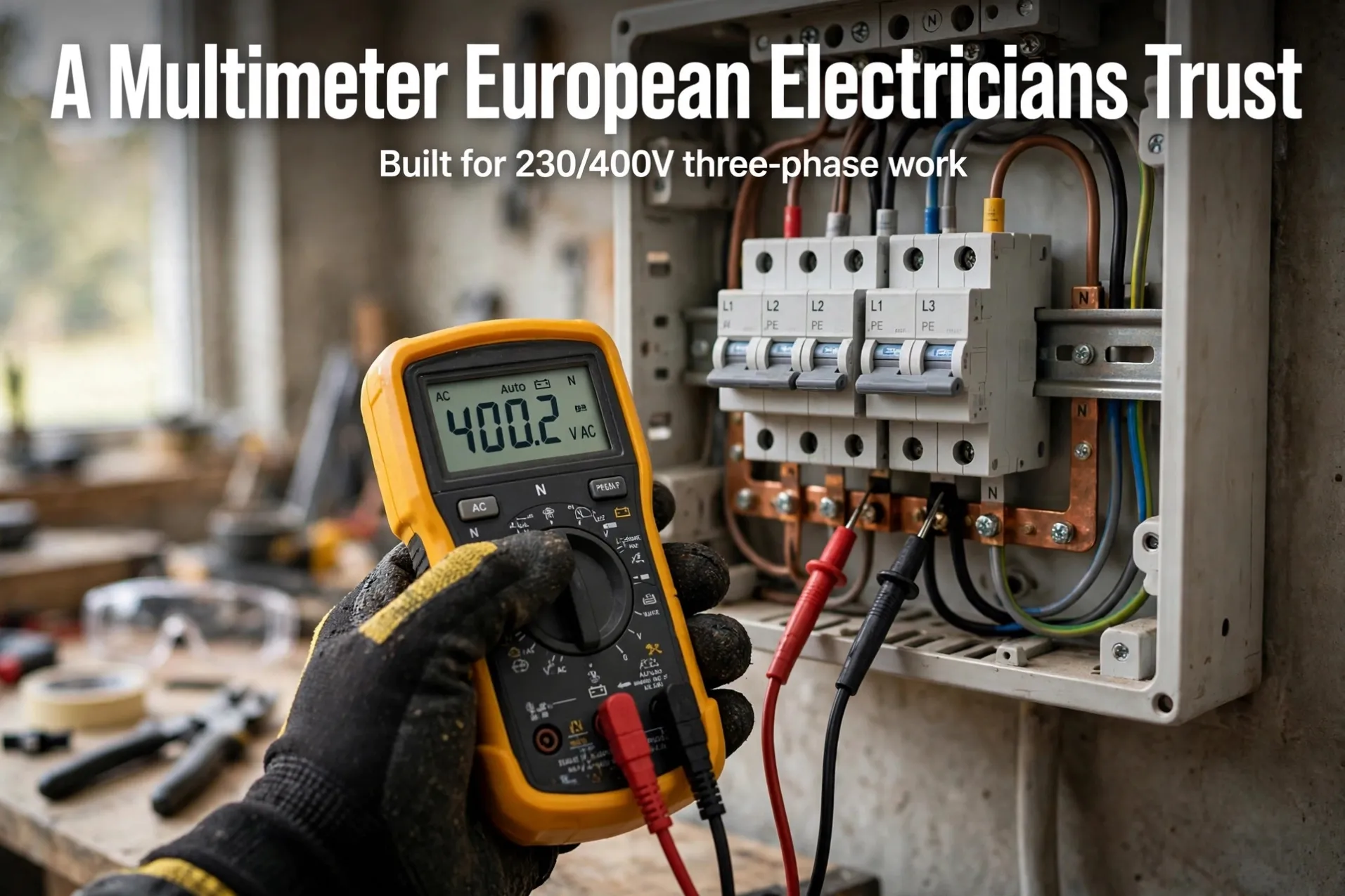
What European Electricians Look for in a Multimeter
What do European electricians check first? A verified CAT III/CAT IV rating, True RMS, LoZ mode, safe test leads and a traceable calibration certificate.
TEST & MEASUREMENT
Explore practical buying guides, product comparisons, application tips, and technical insights for test and measurement professionals.
What do European electricians check first? A verified CAT III/CAT IV rating, True RMS, LoZ mode, safe test leads and a traceable calibration certificate.

Five field checks decide whether an industrial multimeter helps or misleads: verified CAT rating, True RMS, LoZ mode, fast continuity, and input protection.
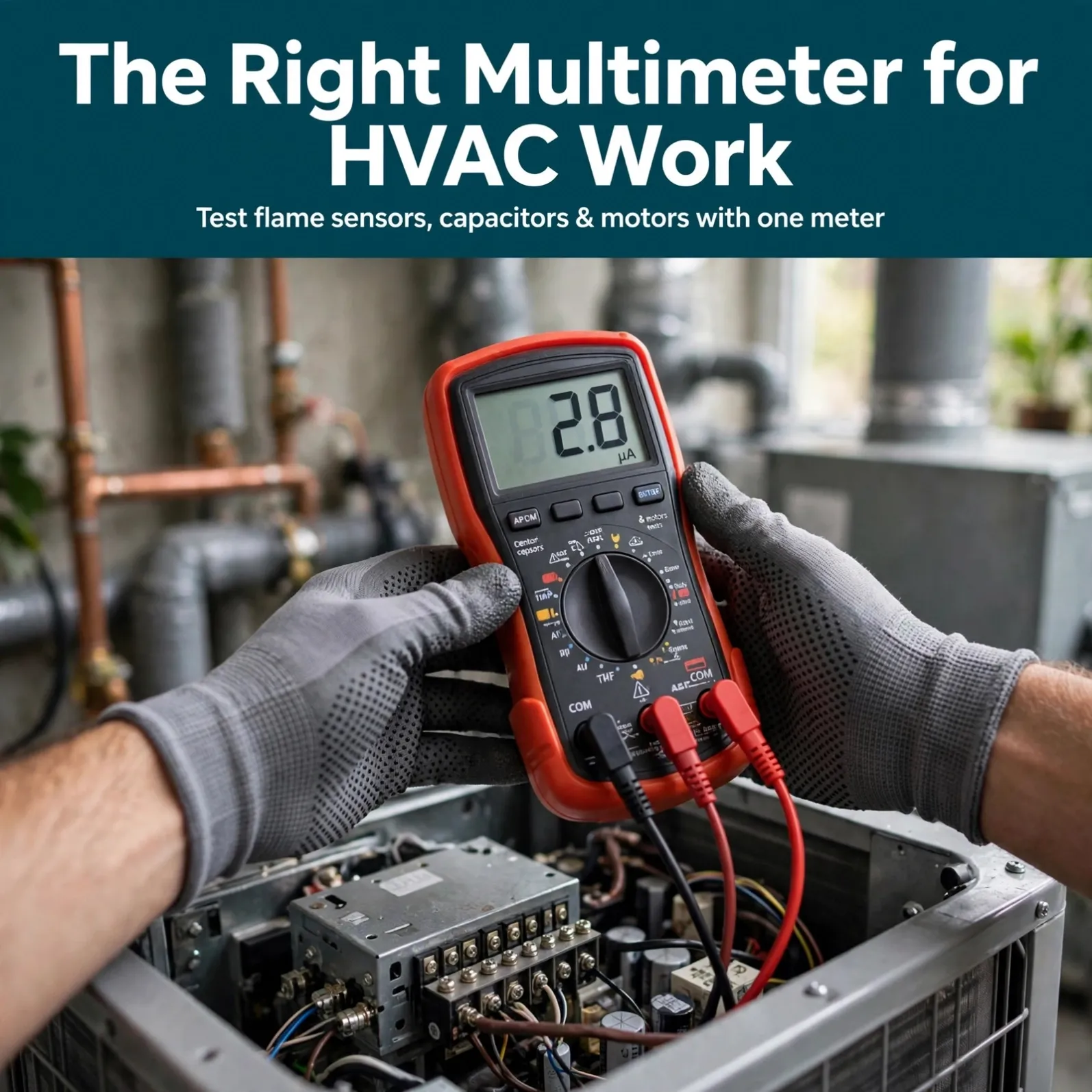
A general meter can't test a flame sensor or a run capacitor. See what makes a multimeter useful for HVAC work: microamps, capacitance, temperature, safety.

Coating thickness gauge giving different readings on the same part? Eight real causes — coating, substrate, probe and calibration — and how to check each.
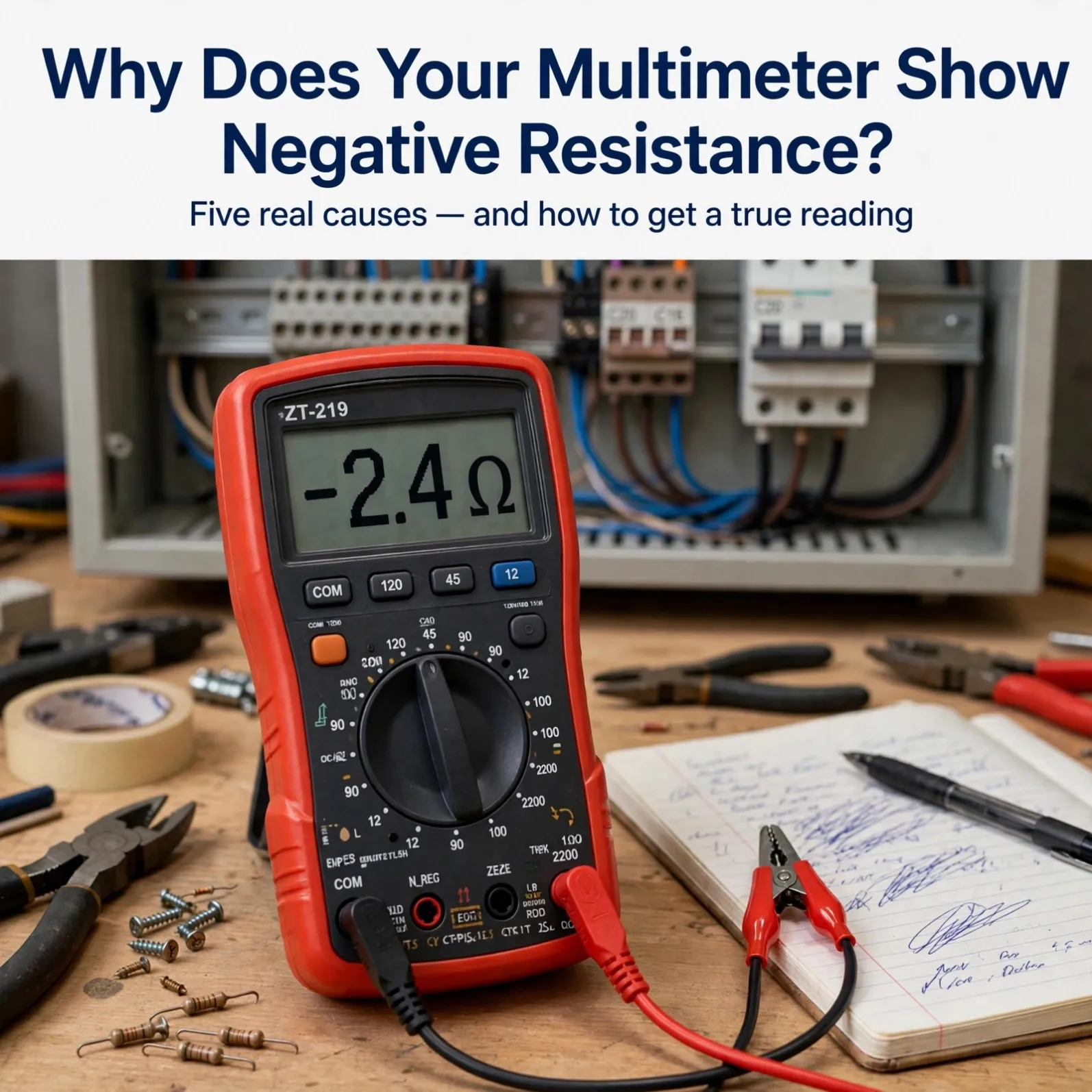
Negative resistance is impossible — resistance is never below zero. Five real causes, from live circuits to charged capacitors, and how to fix them.
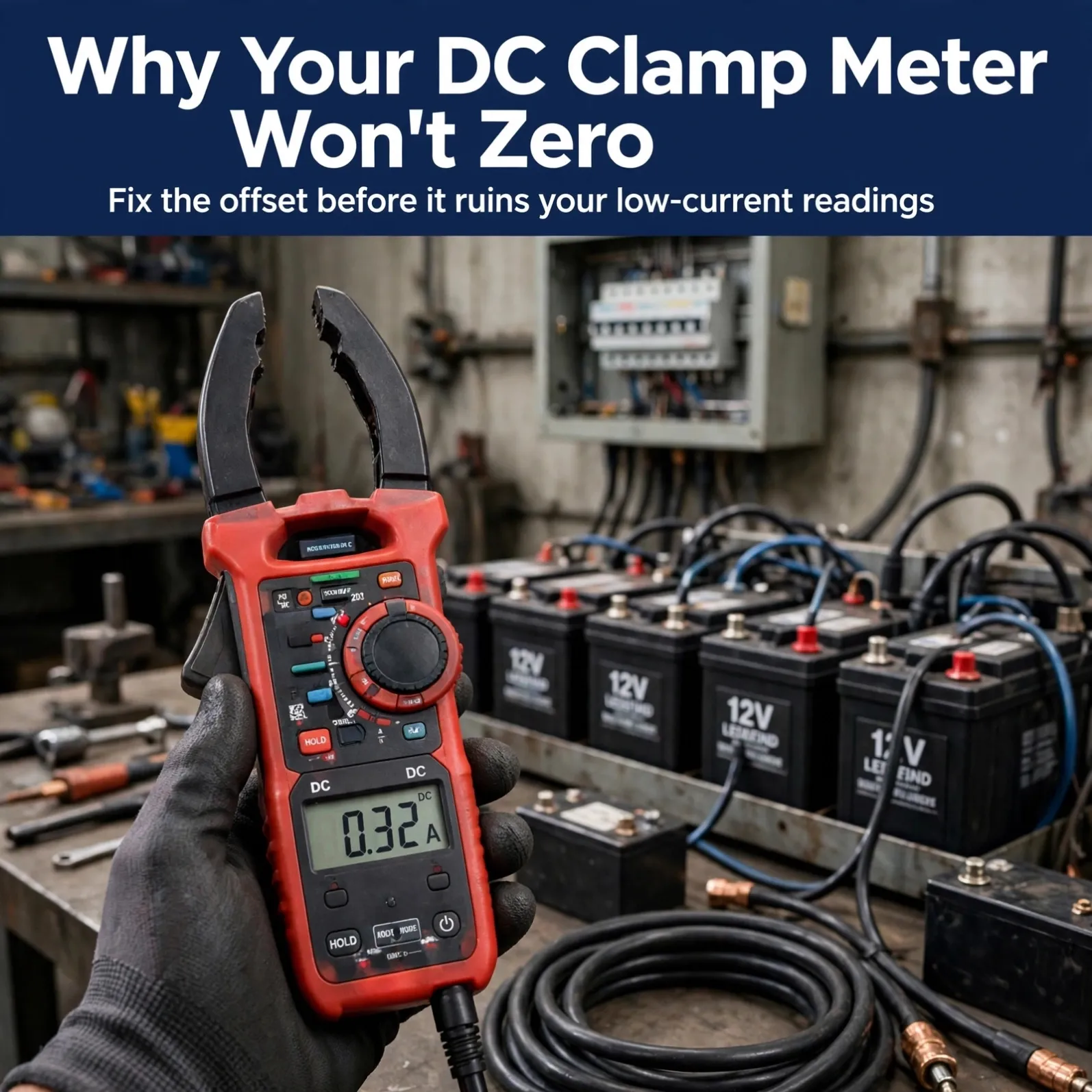
Your DC clamp meter shows 0.3 A with empty jaws after a large current? Learn why residual magnetism causes the offset and how to zero or demagnetize it.
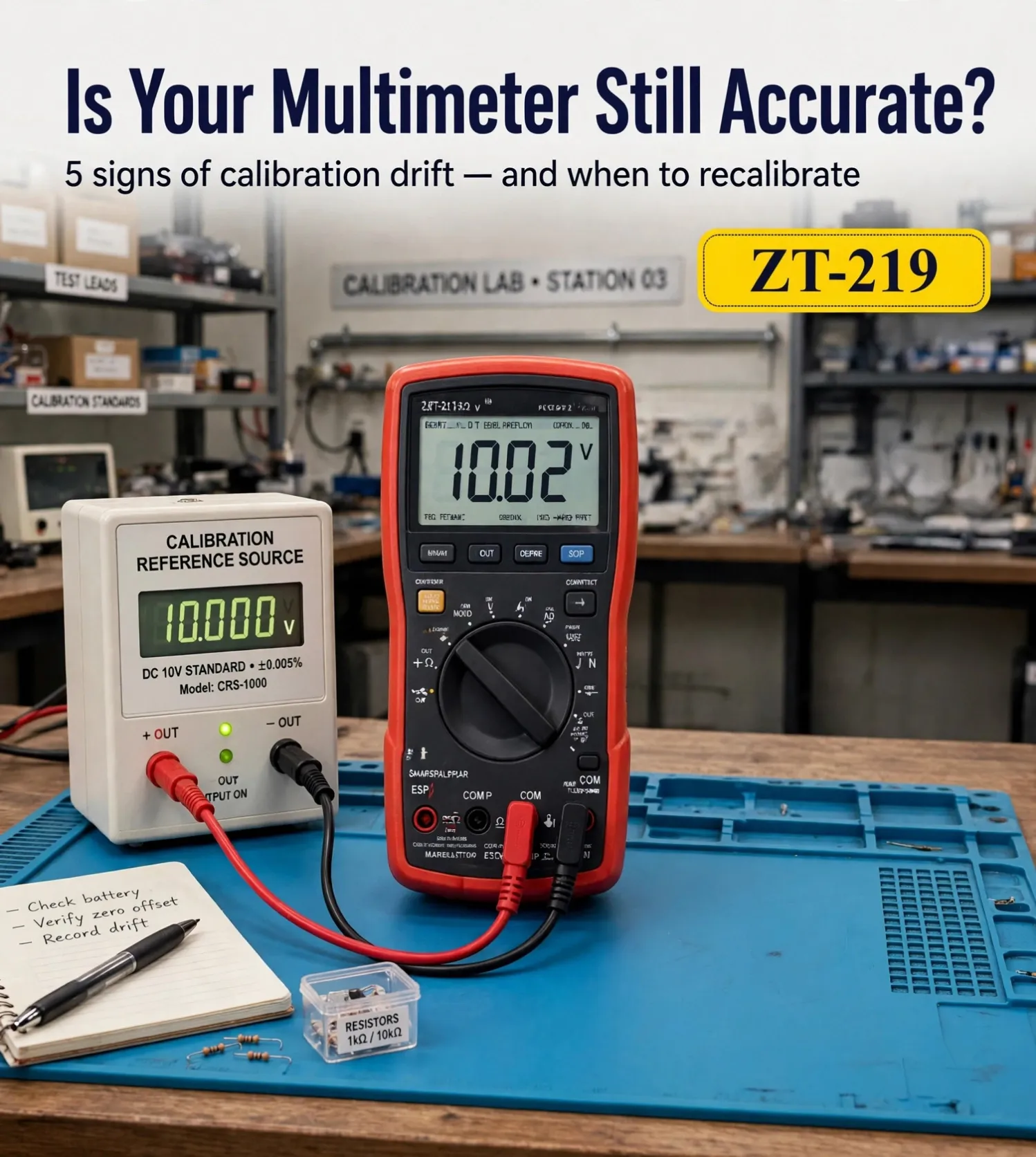
A multimeter can drift out of calibration with no visible fault. Learn the five warning signs, how often to recalibrate, and what to ask your supplier.
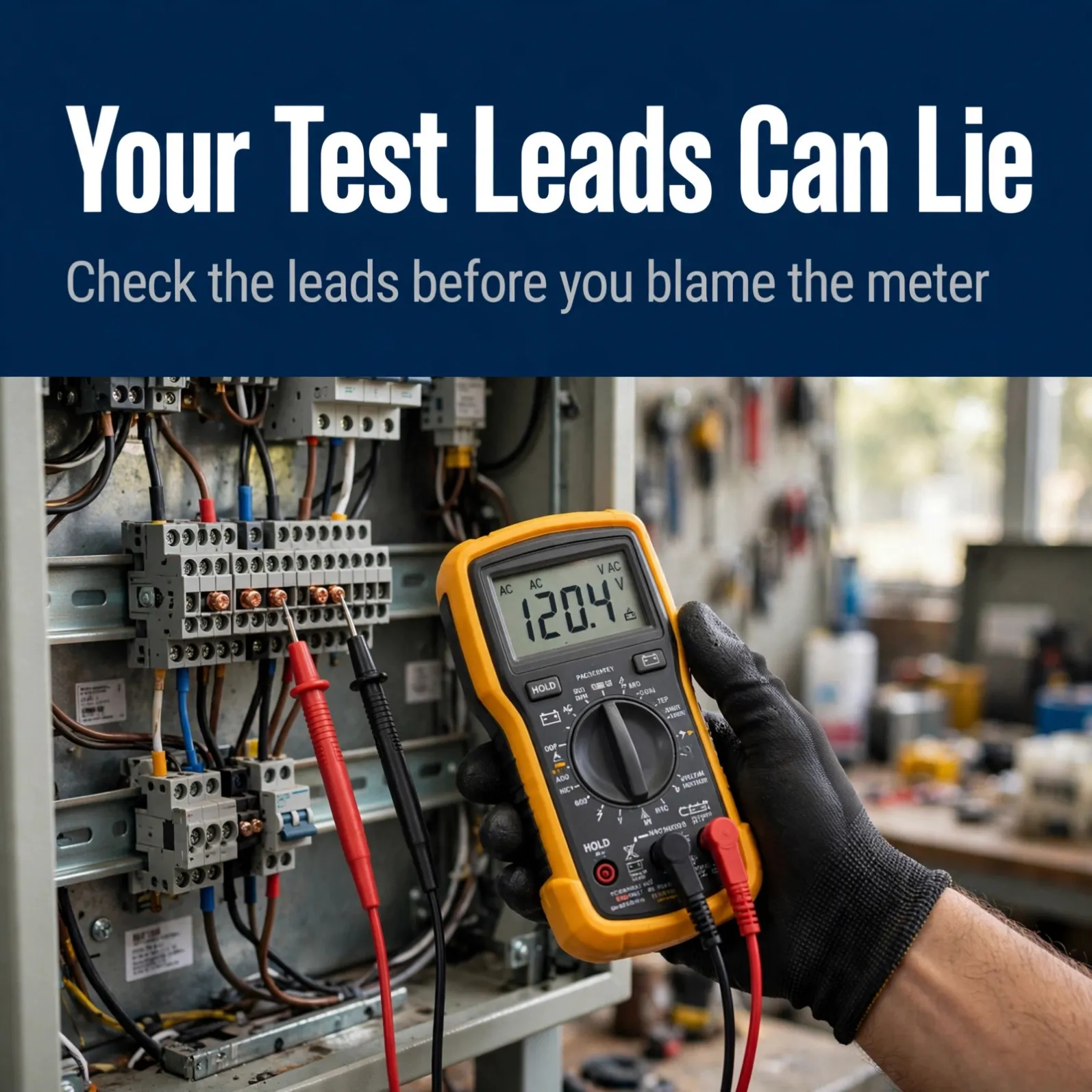
Worn, underrated, or loose test leads can make a good multimeter give wrong readings. Learn the warning signs and the 30-second lead test in this guide.
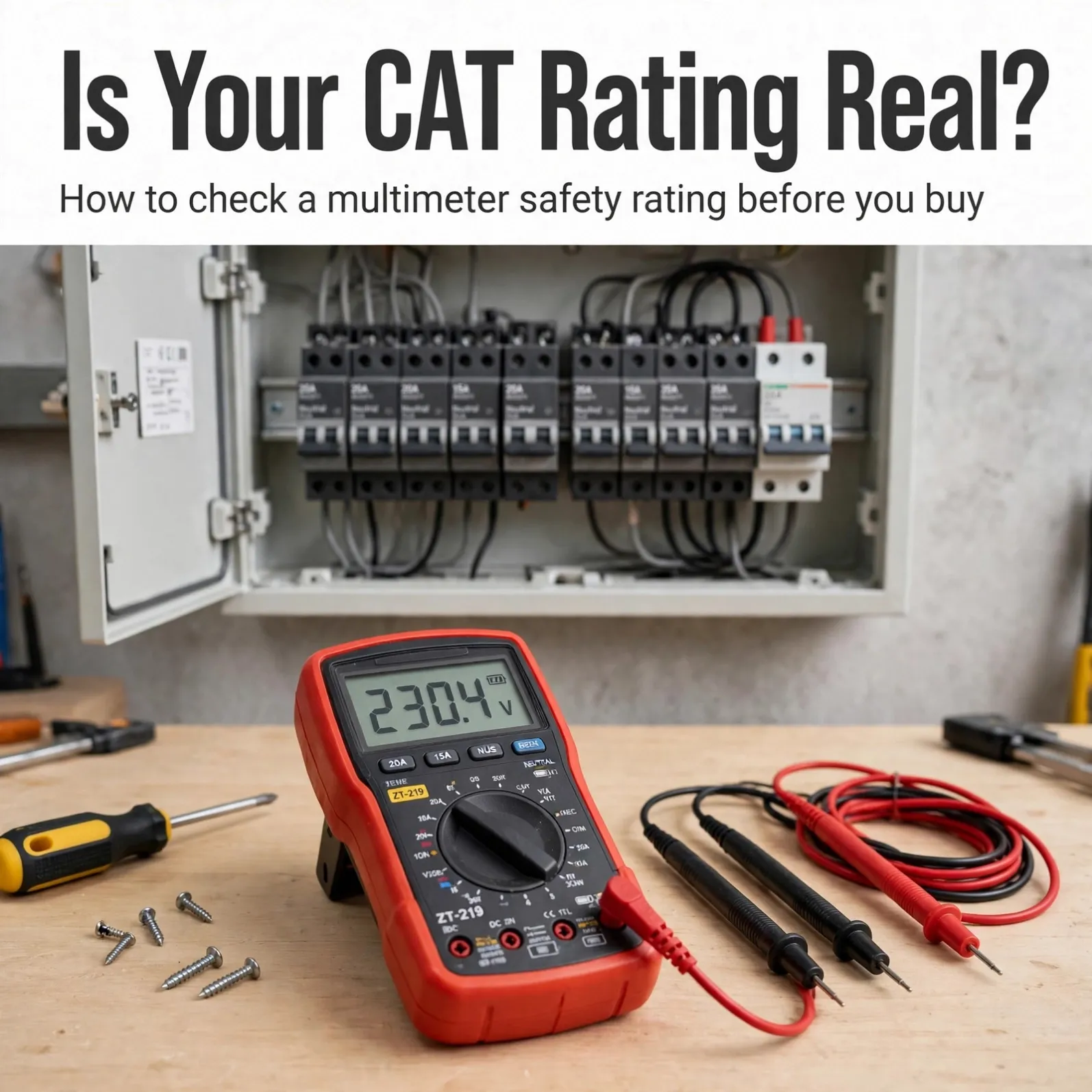
A printed CAT III 600V label is not proof of safety. Check the lab mark, fuse, and test report to verify a multimeter CAT rating before you buy or import.

A low megger reading doesn't always mean failed insulation. Six common causes of false low readings — and how to retest before scrapping good equipment.