
Buying Guides
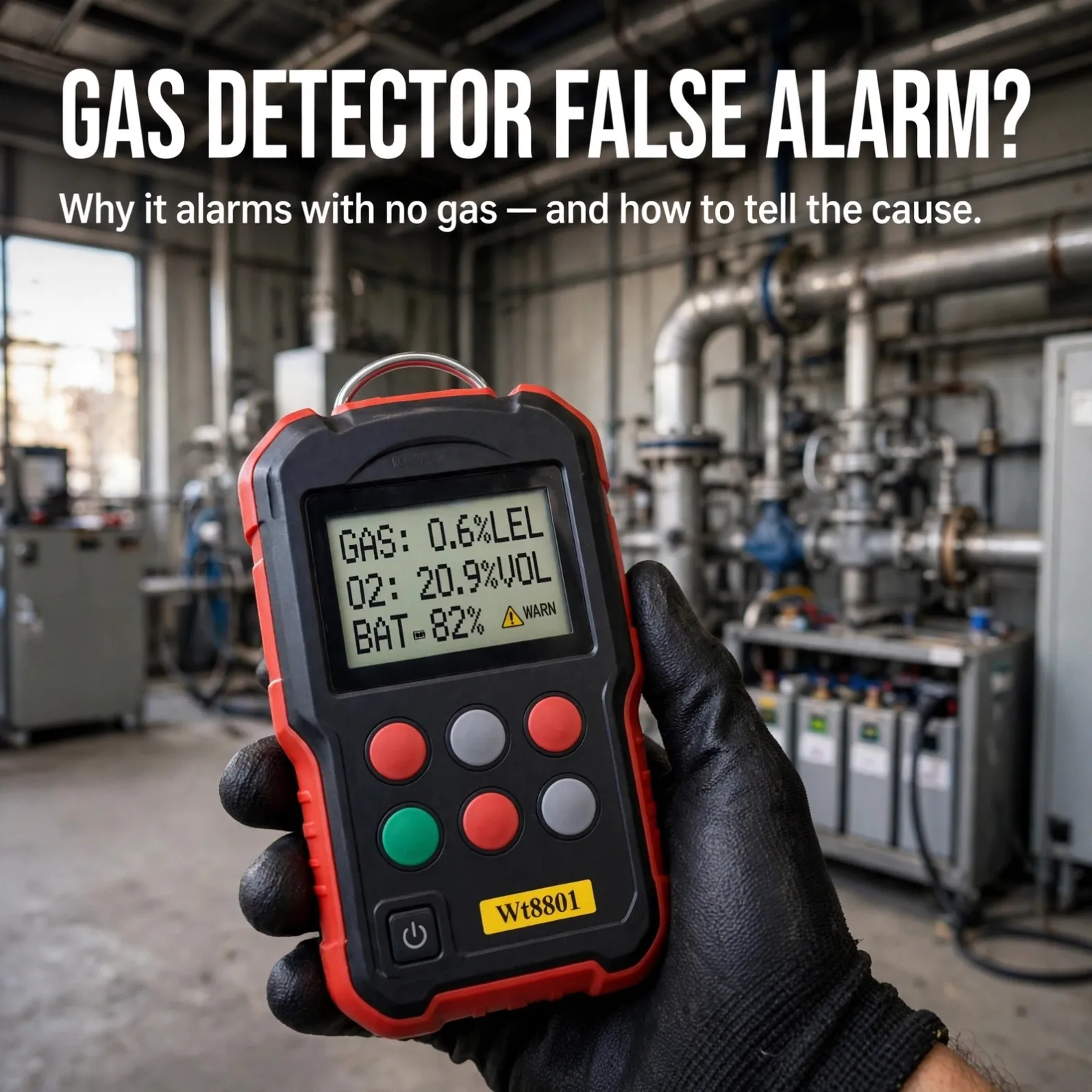
Why Your Gas Detector Alarms When There Is No Gas
A gas detector alarming with no gas present is usually drift, cross-sensitivity, or a dying sensor. Learn the four causes and how to tell them apart — fast.
TEST & MEASUREMENT
Explore practical buying guides, product comparisons, application tips, and technical insights for test and measurement professionals.
A gas detector alarming with no gas present is usually drift, cross-sensitivity, or a dying sensor. Learn the four causes and how to tell them apart — fast.

A standard multimeter can read up to 40% off on a VFD output. Learn why PWM waveforms fool average-responding meters and how true-RMS and VFD modes fix it.
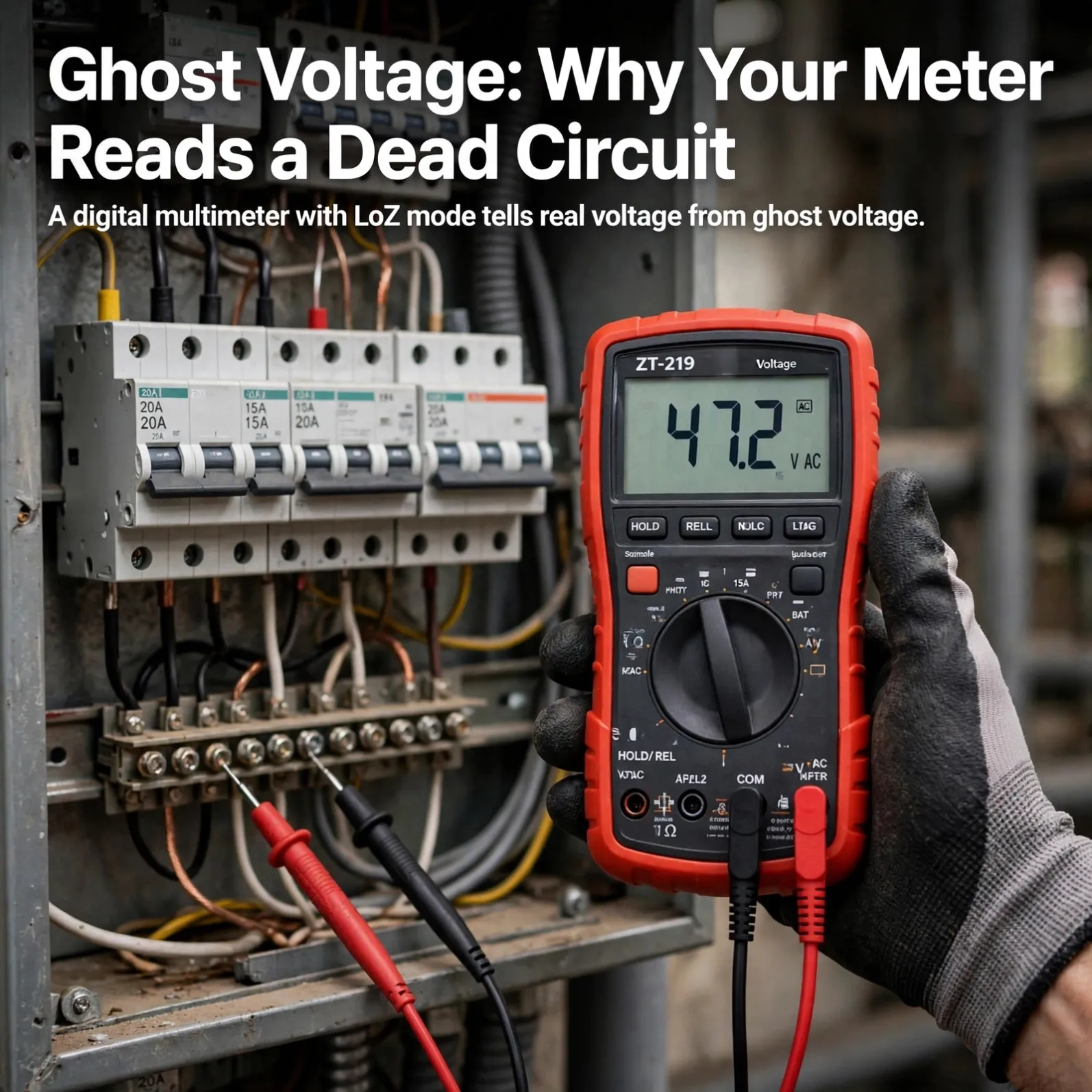
Your meter reads 50 V on a circuit you switched off. That is ghost voltage: induced, not real. Learn the cause and how LoZ mode proves a circuit is truly dead.

A hot copper busbar can read 35°C on a thermal camera when it is really 90°C. Learn how emissivity settings cause wrong readings — and how to fix them.
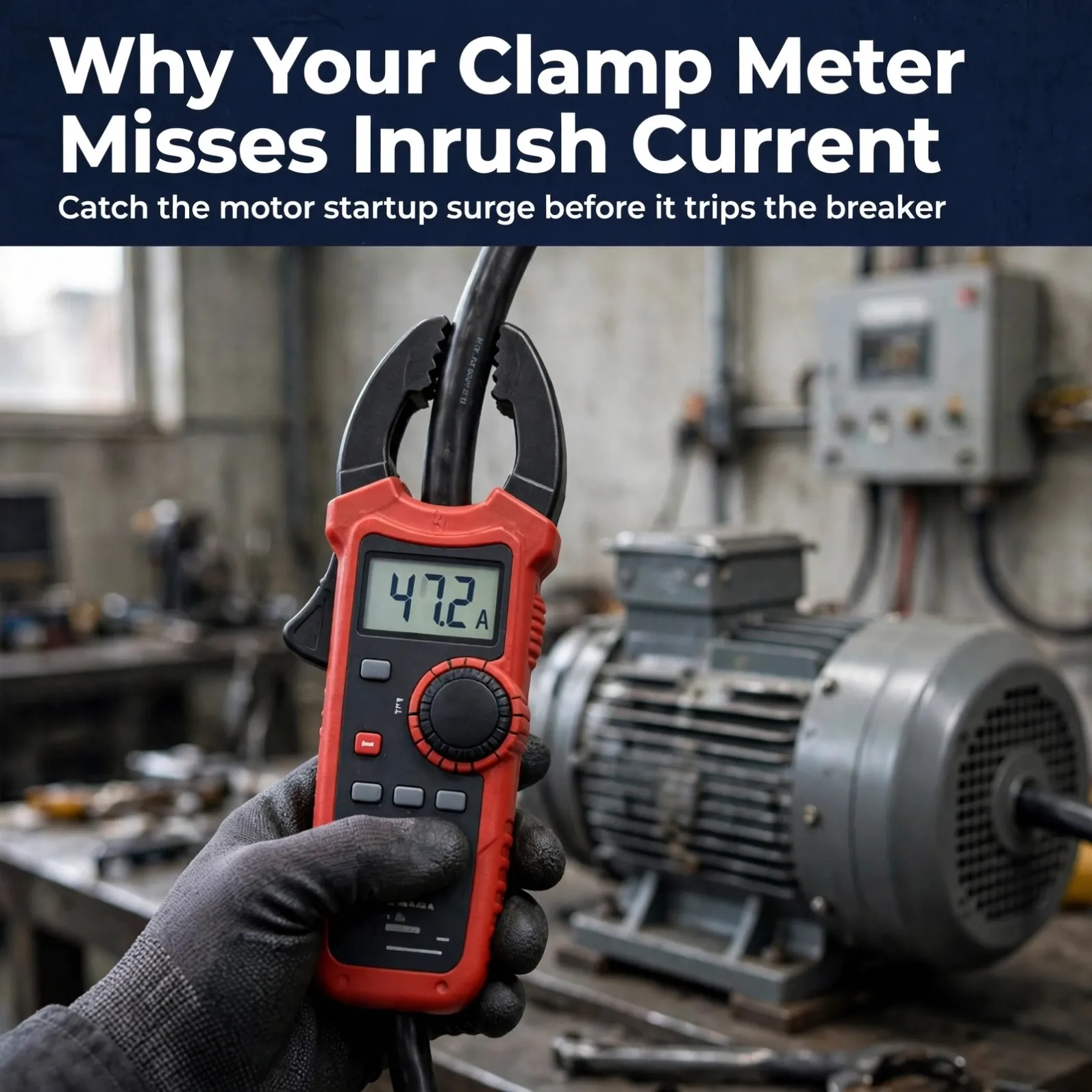
Your clamp meter shows normal running current but misses the startup surge. Learn why inrush current escapes ordinary meters and what to check before you buy.
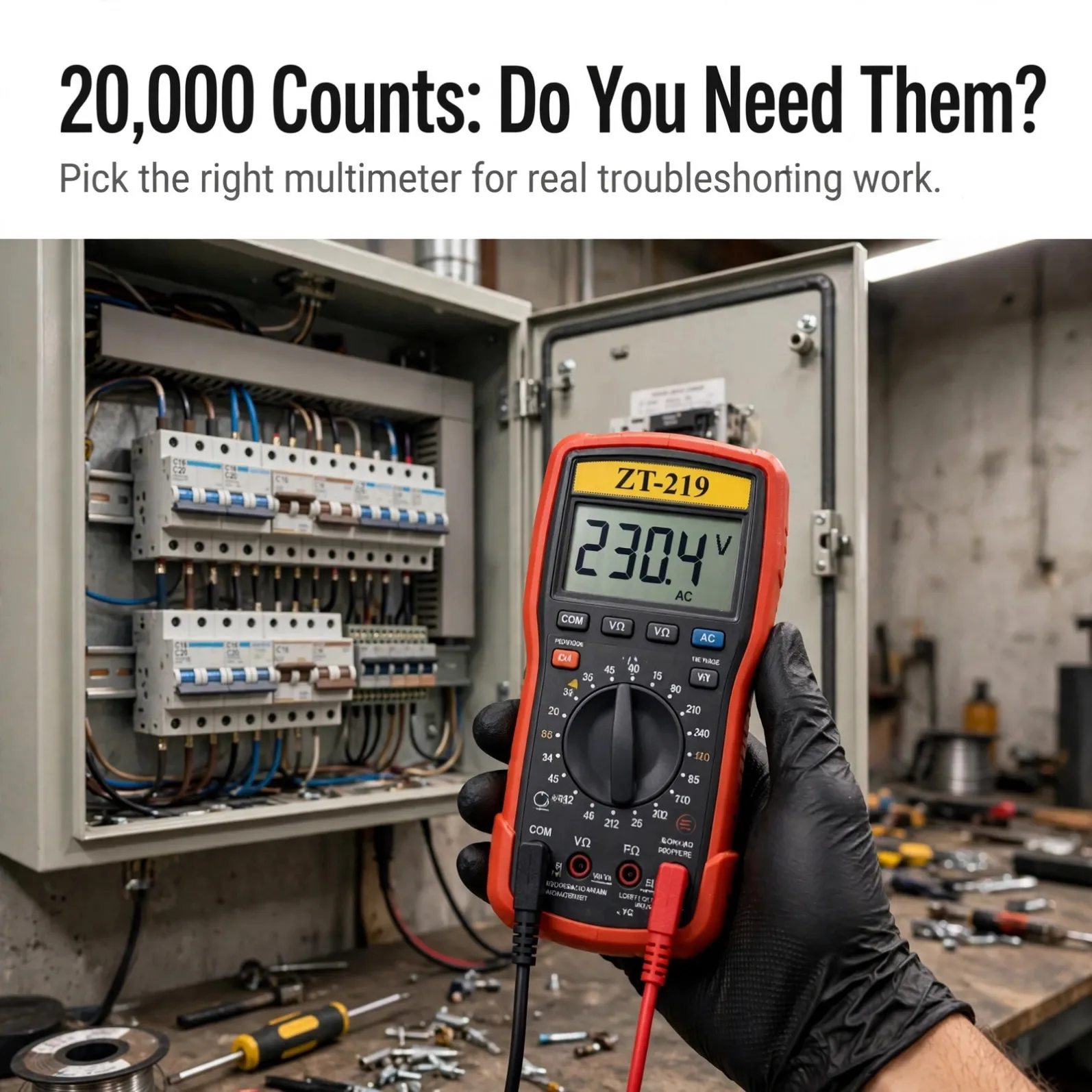
A 20,000-count display looks impressive, but counts are not accuracy. Learn when high counts help — and when a 6,000-count meter does the job better for you.

Choosing a DC power supply? Compare voltage, current, regulation, ripple and protection — plus a buyer checklist for labs and production lines.
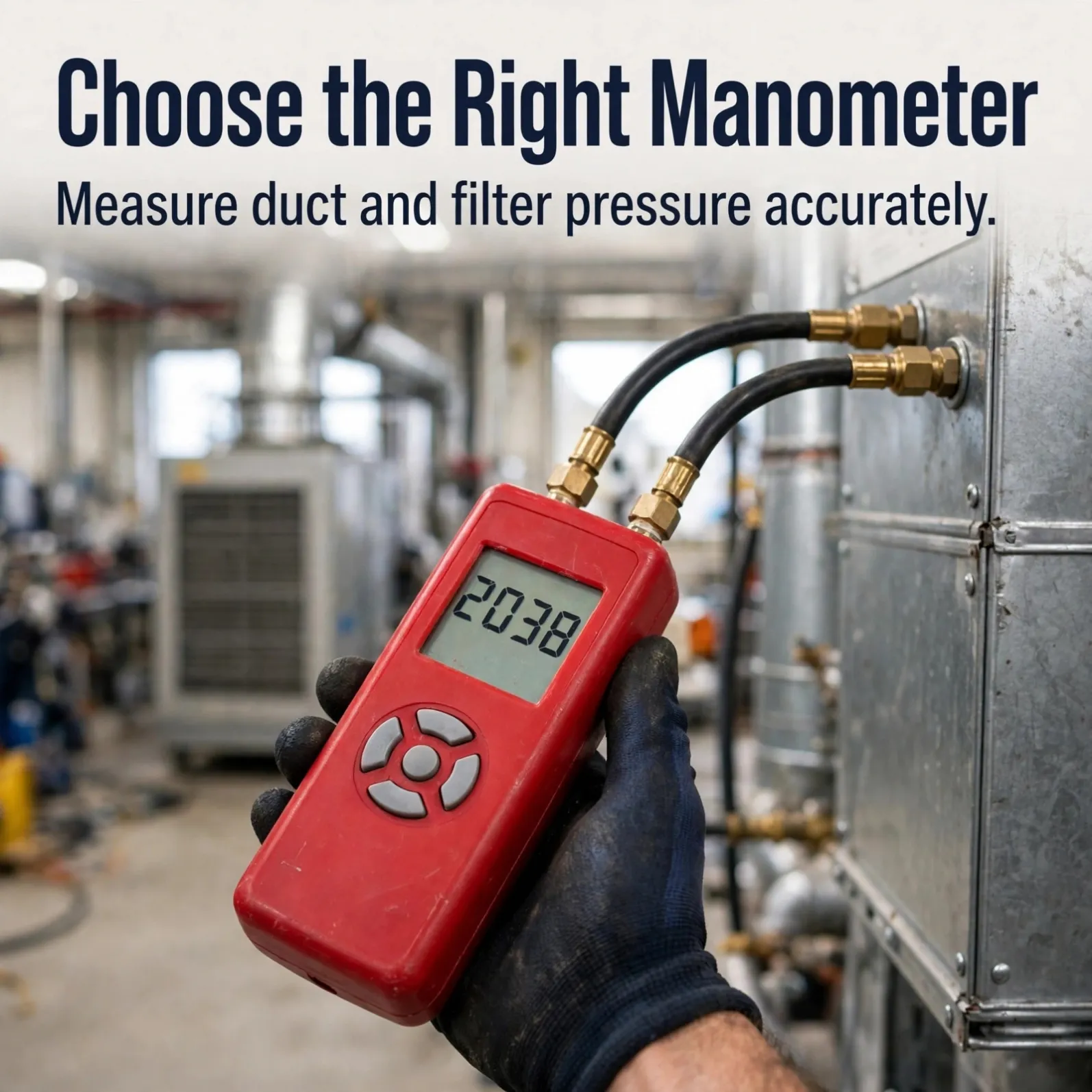
Choosing a manometer for HVAC or industrial pressure checks? Compare differential vs gauge types, range, accuracy and overpressure — plus a sample checklist.
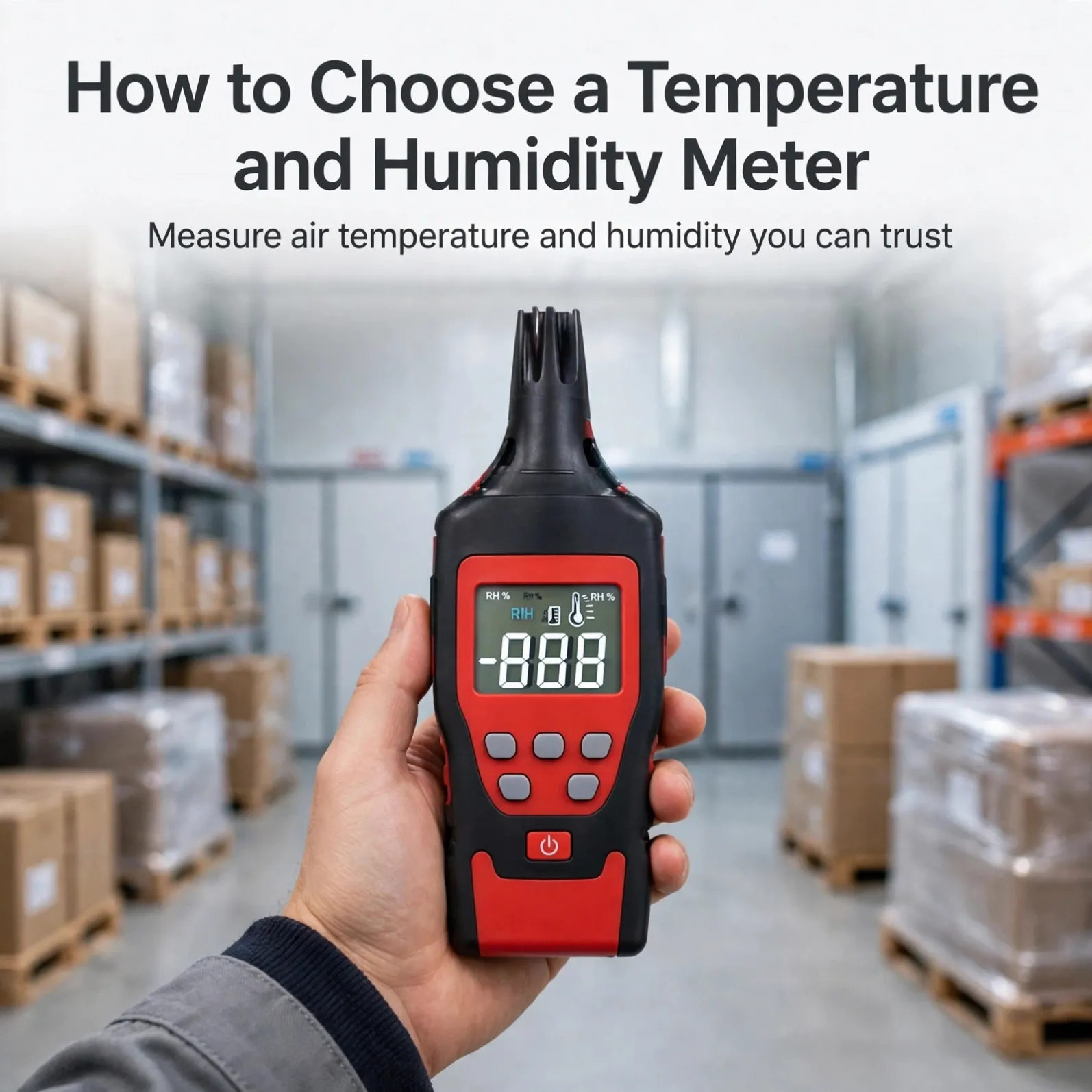
Compare range, accuracy, response time and data logging before buying a temperature and humidity meter — a guide for HVAC, cold chain and warehouse buyers.

Buying a voltage tester or socket tester? Compare NCV pens, two-pole testers and socket testers by range, safety rating and use case — plus a buyer checklist.