
Buying Guides
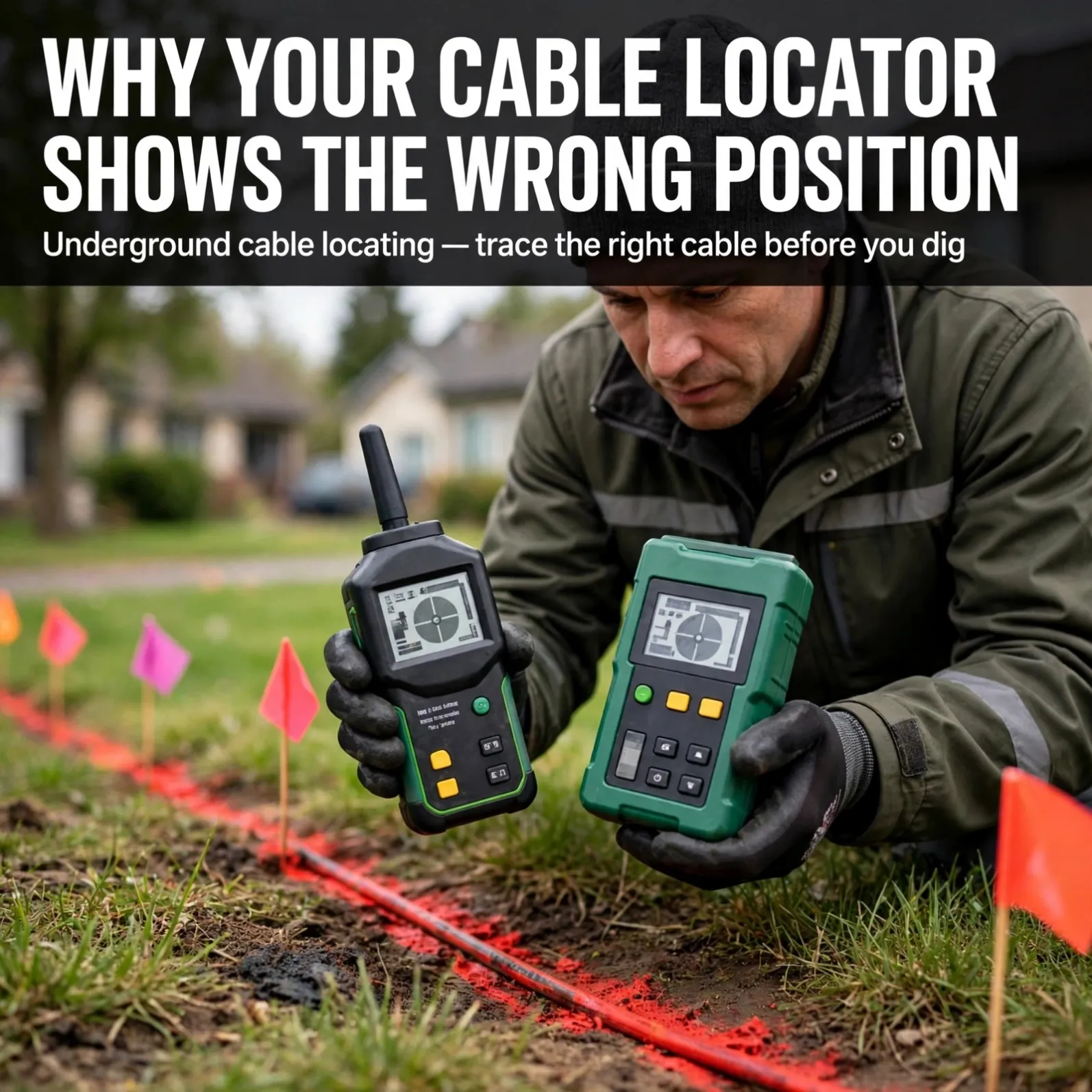
Why Your Cable Locator Shows the Wrong Position
Cable locator pointing at the wrong spot? Signal coupling, a shallow neighbour cable and field distortion cause most mis-locates — how to check each one.
TEST & MEASUREMENT
Explore practical buying guides, product comparisons, application tips, and technical insights for test and measurement professionals.
Cable locator pointing at the wrong spot? Signal coupling, a shallow neighbour cable and field distortion cause most mis-locates — how to check each one.
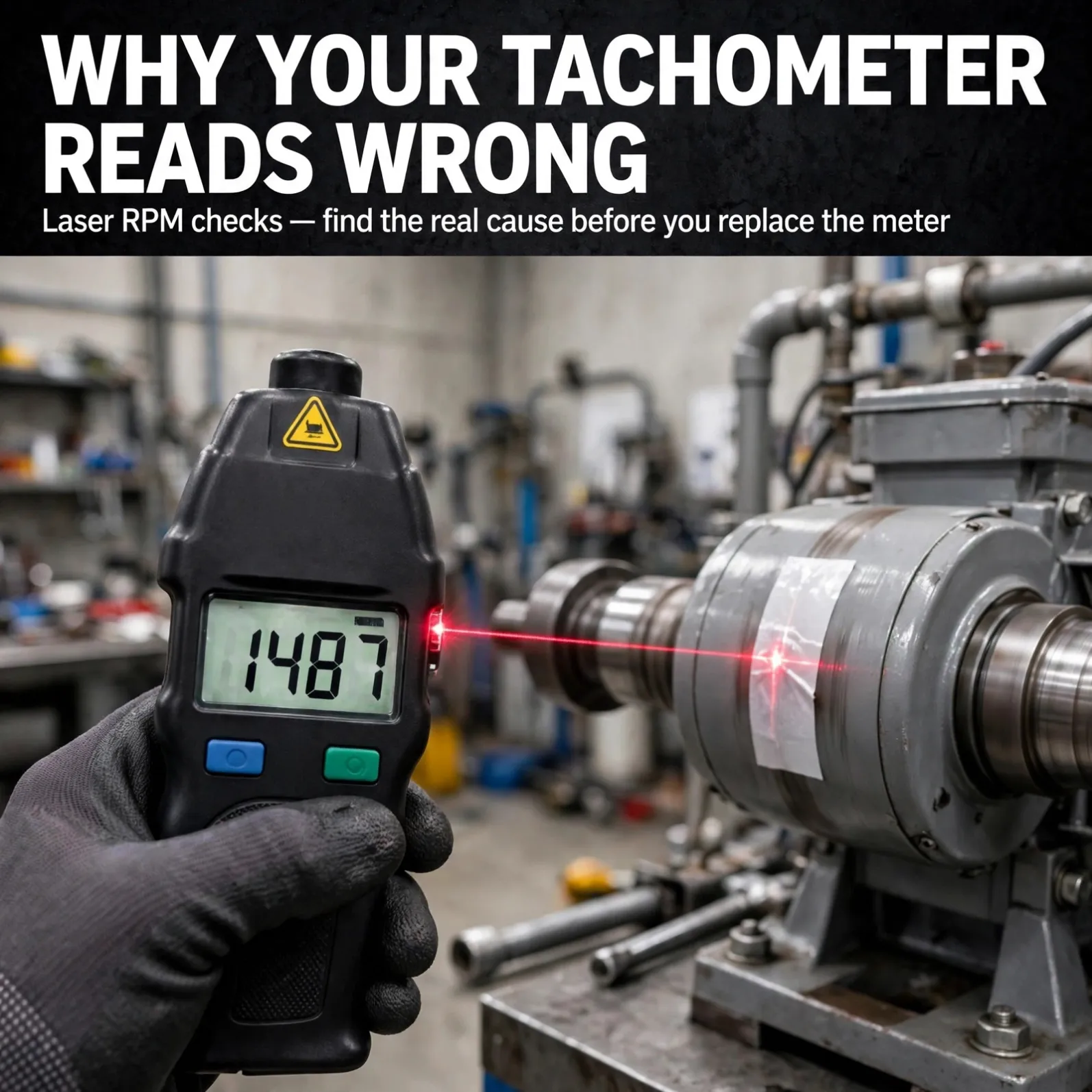
Tachometer reading double, jumping, or showing 3,600 RPM with nothing rotating? Six causes — tape, distance, light — and a 5-minute check to find it.
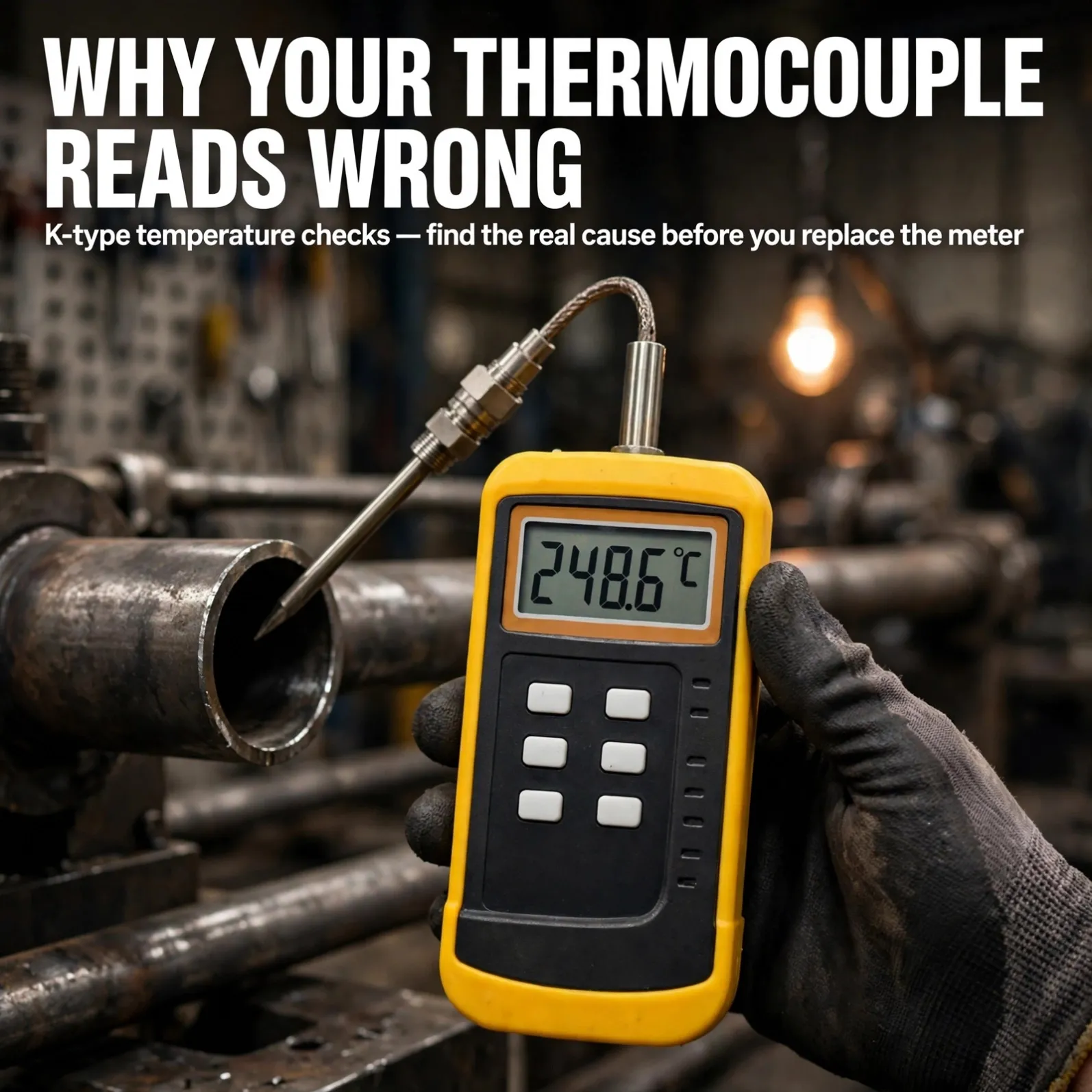
Thermocouple reading wrong? Six causes — wrong type, reversed wires, cold-junction error, shallow immersion, drifted probe — and a 5-minute ice-bath check.

Your NCV tester beeps on a dead wire? Induced voltage, stray fields and static are the usual causes. Learn how to tell a false positive from real voltage.

Leeb hardness readings jumping around? Rough surfaces, thin or moving parts, wrong material settings and edge effects are the usual causes. Fix them in order.
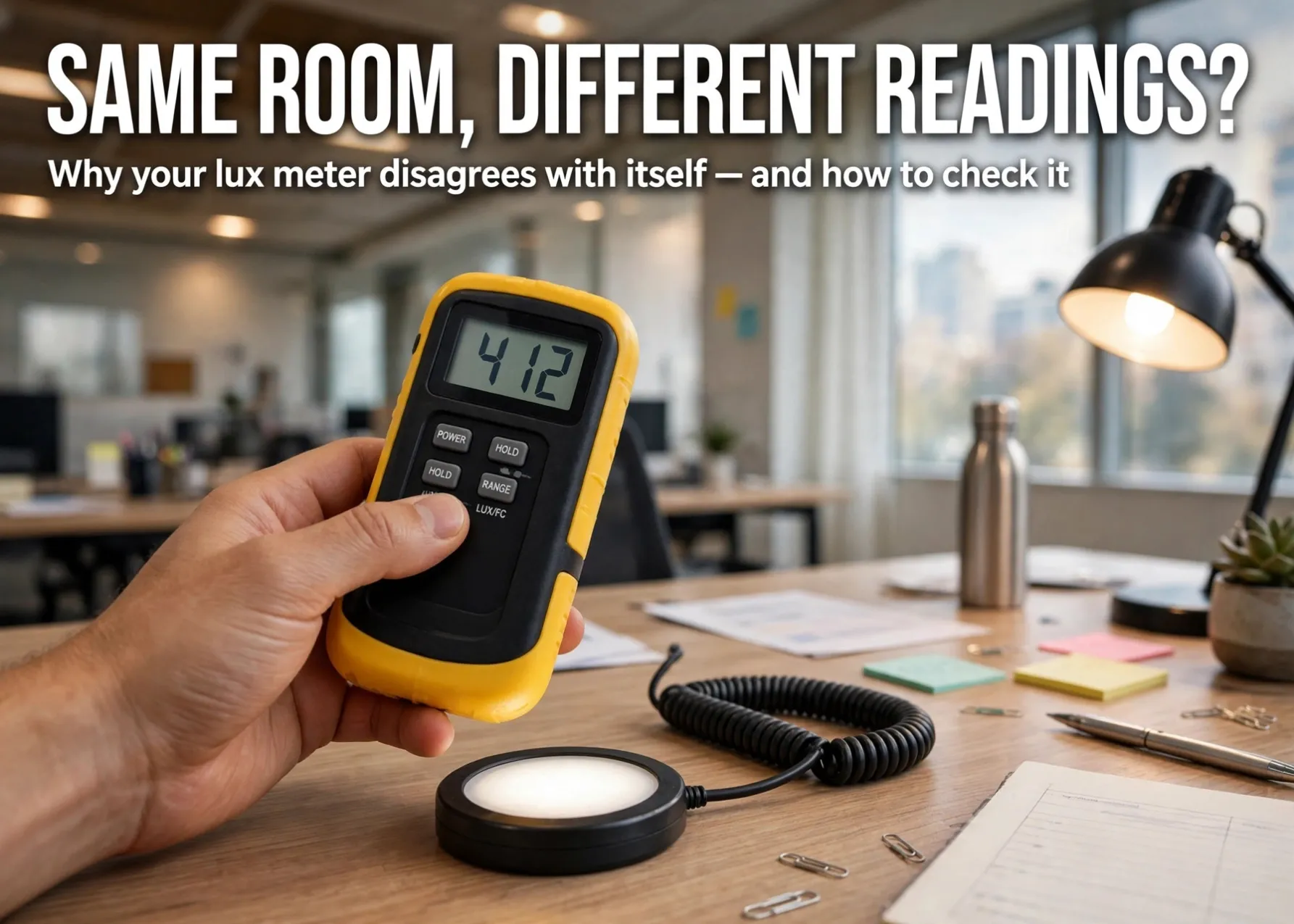
Same room, same light — but your lux meter shows a different number every time? Six causes, from sensor angle to LED spectrum, and a 5-minute check.
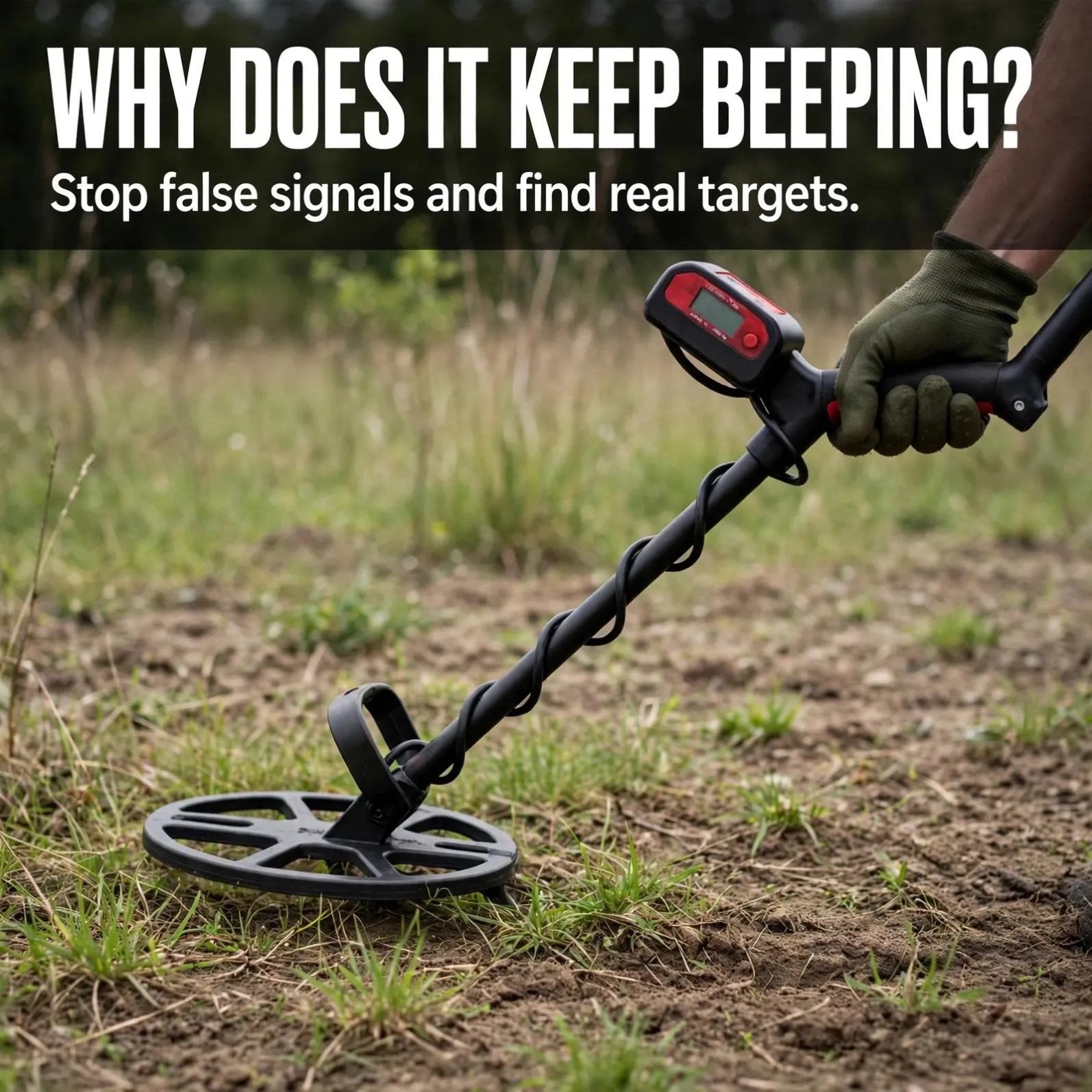
Your metal detector beeps with no metal in sight? Six causes — sensitivity, EMI, ground balance, coil, battery — and a 5-minute field check to fix it.

Your anemometer reads differently at the same vent — is it broken? Usually not. Learn the six causes, from probe position to turbulence, and a 5-minute check.
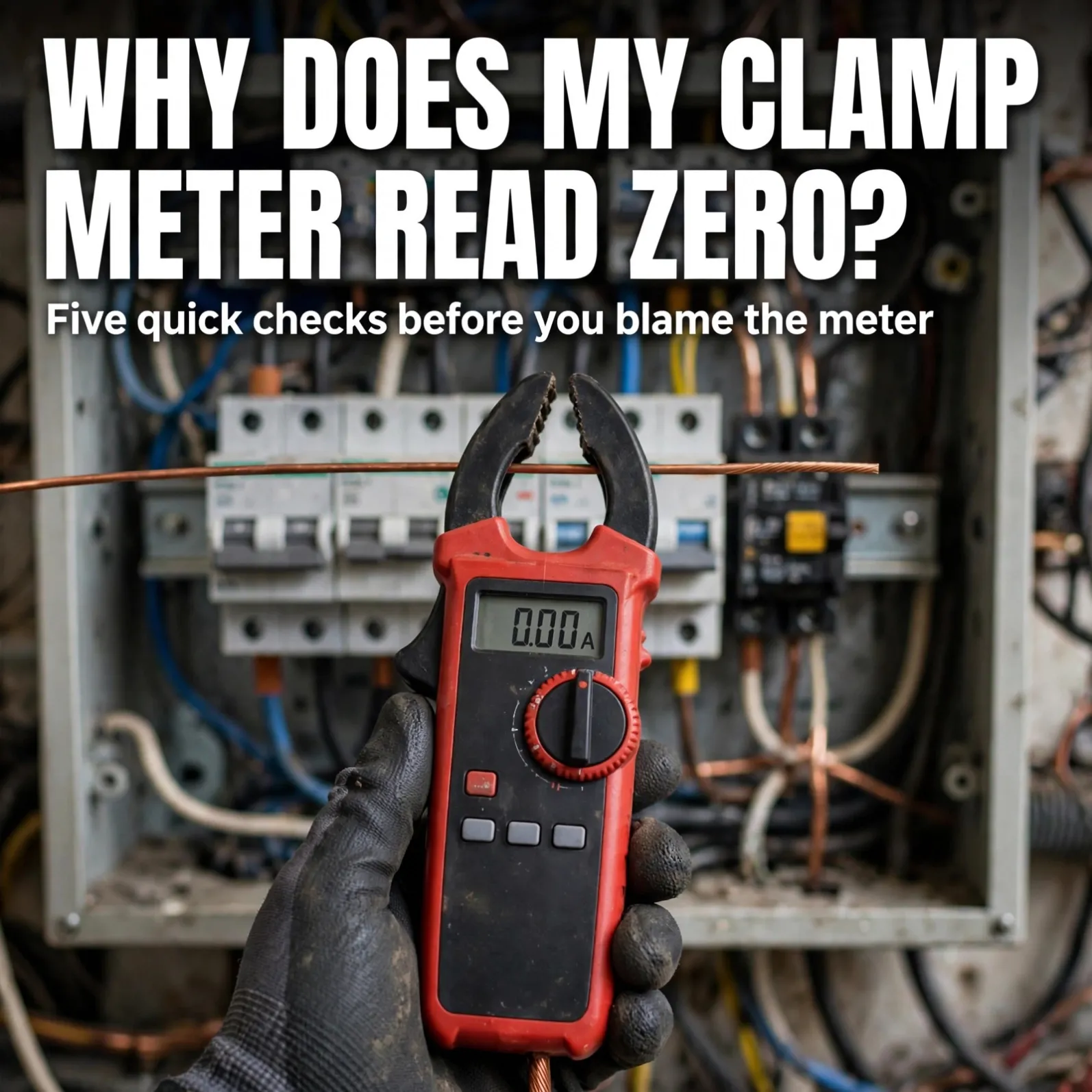
Clamp meter reads 0.00 A on a live circuit? Usually it is not broken — two wires cancelling, wrong AC/DC mode, open jaws or no load are the usual causes.
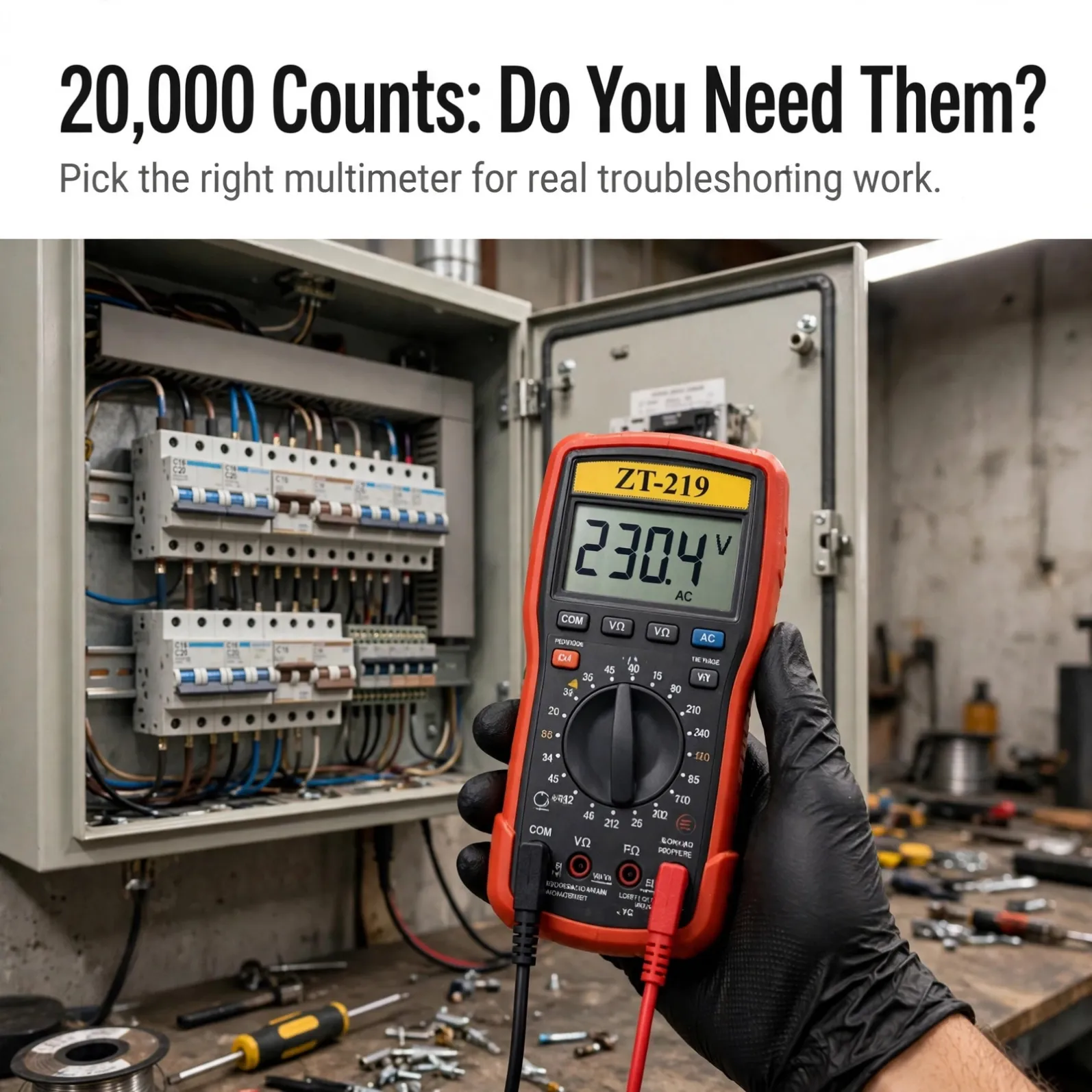
Counts are resolution, not accuracy: a 20,000-count meter can still mislead you. Learn when high counts help, when 6,000 counts are enough, and what to check.